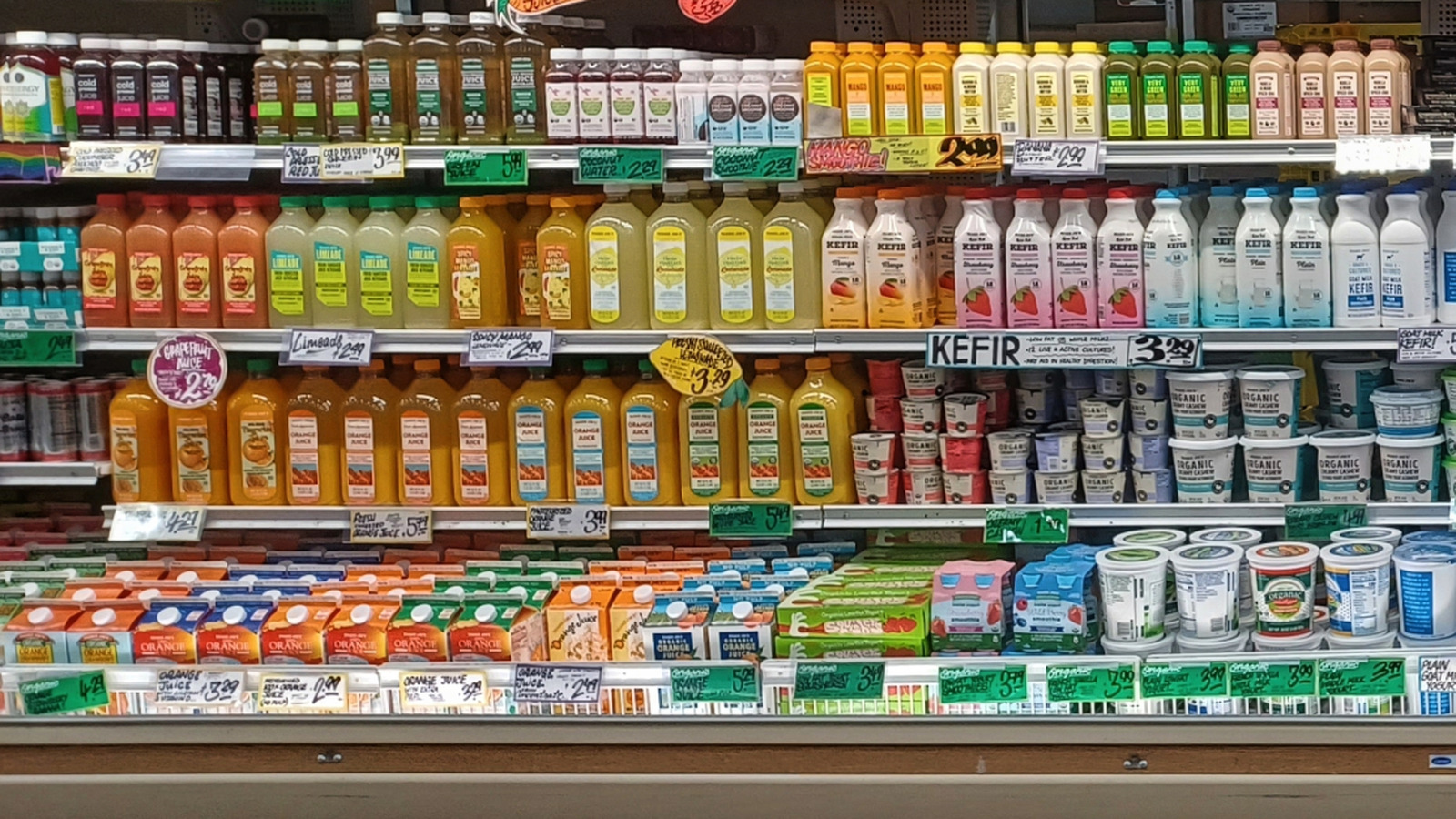
"Back in 2022, a class action lawsuit alleged that TJ's wasn't just expensive - but intentionally overcharging customers for its cold-pressed green juice, by way of misleading packaging. The lawsuit, filed to cover plaintiffs in 12 states, alleged that TJ's juices were more processed than advertised. The lawsuit argued that cold-pressing is taken to mean a single pressing of fruits and vegetables to juice, and nothing more. It was also argued that cold-pressing is inferred to mean minimal processing, and minimal processing was what justified its higher price."
"At the time, the cold-pressed green juice retailed at $3.39 for 15.2 ounces of juice. Trader Joe's, according to the plaintiffs, "sold more of the Product and at higher prices than it would have ... resulting in additional profits at the expense of consumers." The case reached a federal judge in Illinois, who dismissed it. TJ's uses what is called hydrostatic pressure processing (HPP) to prep its cold-pressed juices."
"HPP is a water-based, high-pressure method for packaging perishables. Plaintiffs claimed this process was the problem. Yet, in the judge's opinion, Trader Joe's had been factually accurate. Its products undergo cold-pressing before HPP, and had (and still does) expressly declared on the juice packaging that it was processed."
A class action lawsuit alleged Trader Joe’s intentionally overcharged customers for cold-pressed green juice through misleading packaging. The claim covered plaintiffs in 12 states and argued the juice was more processed than advertised. Cold-pressing was presented as a single pressing with minimal processing, which would justify a higher price. The juice was priced at $3.39 for 15.2 ounces in 2022. The case was dismissed by a federal judge in Illinois. The judge found Trader Joe’s factually accurate because the products were cold-pressed before hydrostatic pressure processing and the packaging expressly stated the processing method.
Read at Tasting Table
Unable to calculate read time
Collection
[
|
...
]