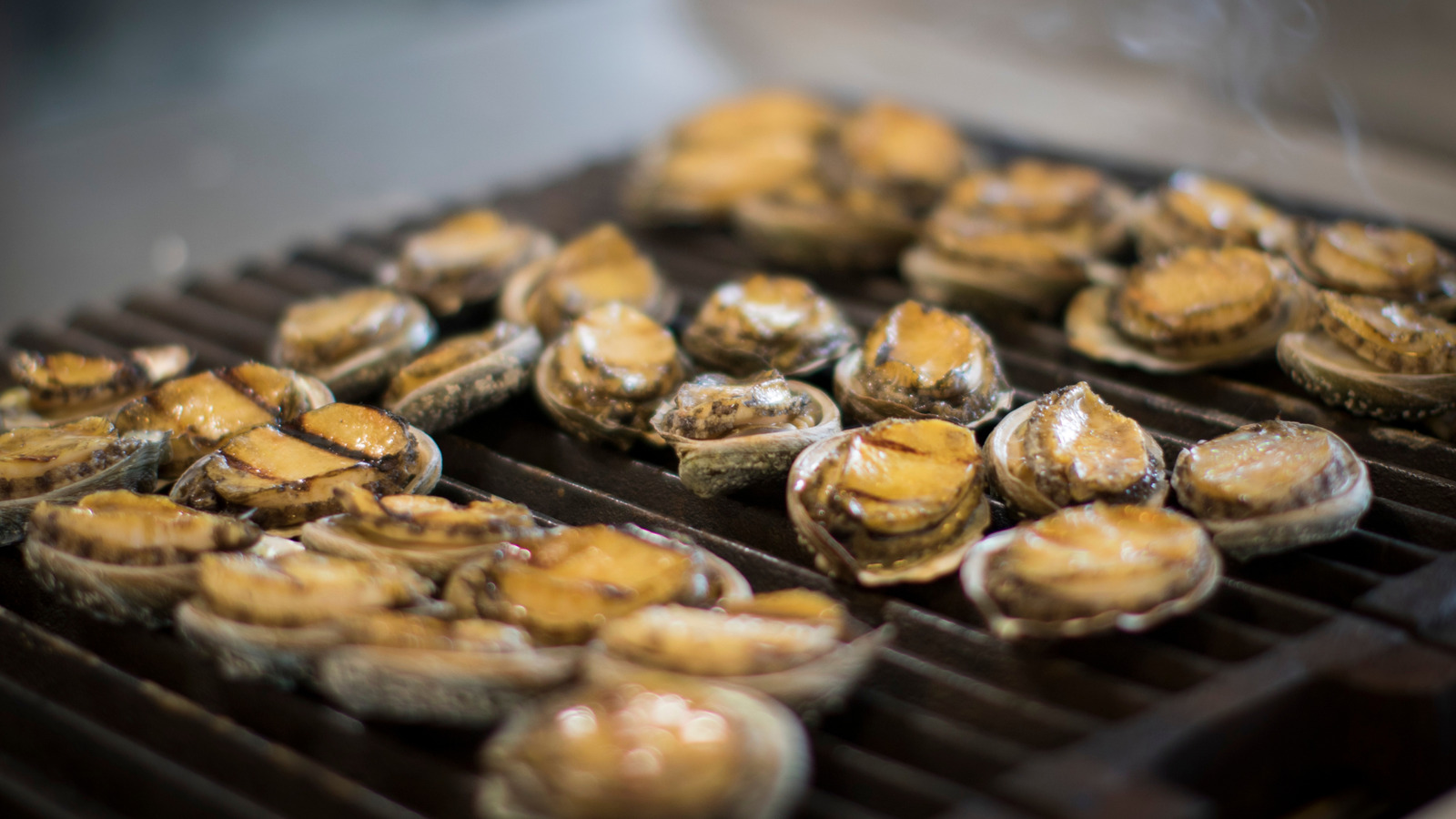
"There are several reasons why this curious little gastro-phenomenon commands such high prices out of the water and on the table. First of all, inside the unusually ear-shaped shell, the firm meat is considered buttery rich and briny, similar to scallops or oysters. It sits in the upper echelon of seafood, where consumers often consider the experience and flavor well worth the cost. But there's a lot more to the abalone story before it expensively perches on dinner plates."
"One big reason for pricey abalone is that wild populations have been hammered by overfishing and environmental stress. Several species, like white and black abalone off California, are even listed as endangered and closed to further commercial fishing for years to come, which further limits availability. Abalones also grow slowly and have long lifespans, with farmed abalone taking from three to five years to reach market size, and wild populations potentially growing for a couple of decades."
Abalone is a marine gastropod with ear-shaped shells and firm, buttery-rich meat prized as a high-end delicacy, especially in Asian cuisine. The meat's briny, scallop-like flavor places it among premium seafood items. Wild abalone populations have declined sharply due to overfishing and environmental stress, with some species listed as endangered and fisheries closed. Abalone grow slowly and live long, with farmed individuals requiring three to five years to reach market size and wild animals taking decades. Aquaculture reduces supply variability but increases long-term production costs from extended feeding and monitoring. Limited availability, harvesting challenges, and rarity drive high consumer prices.
Read at Tasting Table
Unable to calculate read time
Collection
[
|
...
]