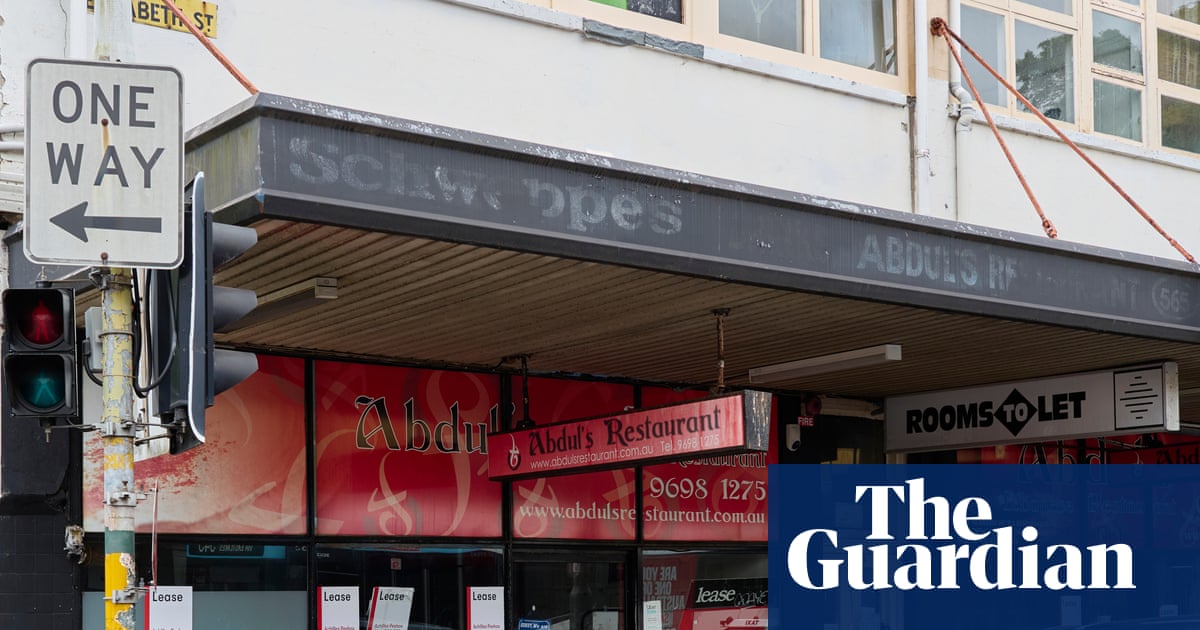
"When Abdul's Lebanese Restaurant closed earlier this month, it was a shock. A beloved fixture of inner Sydney's landscape since 1968, the restaurant fed celebrities, broke students and anyone in need of a hearty kebab at the end of a night out. For Hiba Damaa, whose parents Dib and Nizam Ghazal opened the restaurant and named it after her eldest brother Abdul who eventually ran it with his two brothers it represented the pioneering spirit of early Lebanese migration."
"Abdul's originated as a Lebanese sweets and pastry shop run by my brother-in-law, she says. When he wanted to move on, my parents started selling falafel sandwiches ... It was tiny. There wasn't any Lebanese bread of course, so my mother made it all from scratch, and the line for those sandwiches used to go halfway down the street. The business expanded to dine-in tables, then a second shop."
"He insisted on making labour-intensive menu items because customers loved them, she says. And he used to give out a free falafel with tahini sauce if it was really busy and people had to wait in line. He always said you could not succeed in the food business if you were not generous. He wanted to cater to the Australian community who still wanted their tomato sauce with hummus and their tahini with BBQ sauce' Abdul Ghazal."
Abdul's Lebanese Restaurant operated in inner Sydney from 1968 until its recent closure, serving celebrities, students and late-night diners. The business began as a Lebanese sweets and pastry shop, then expanded when the founders, Dib and Nizam Ghazal, started selling falafel sandwiches and later added dine-in service and a second shop. The family produced bread from scratch, endured long queues and maintained labour-intensive menu items. The long-running, family-run restaurant emphasized generosity—offering complimentary falafel during busy periods—and adapted flavours to suit Australian tastes, reflecting the early Lebanese migrant contribution to the city's culinary landscape.
Read at www.theguardian.com
Unable to calculate read time
Collection
[
|
...
]