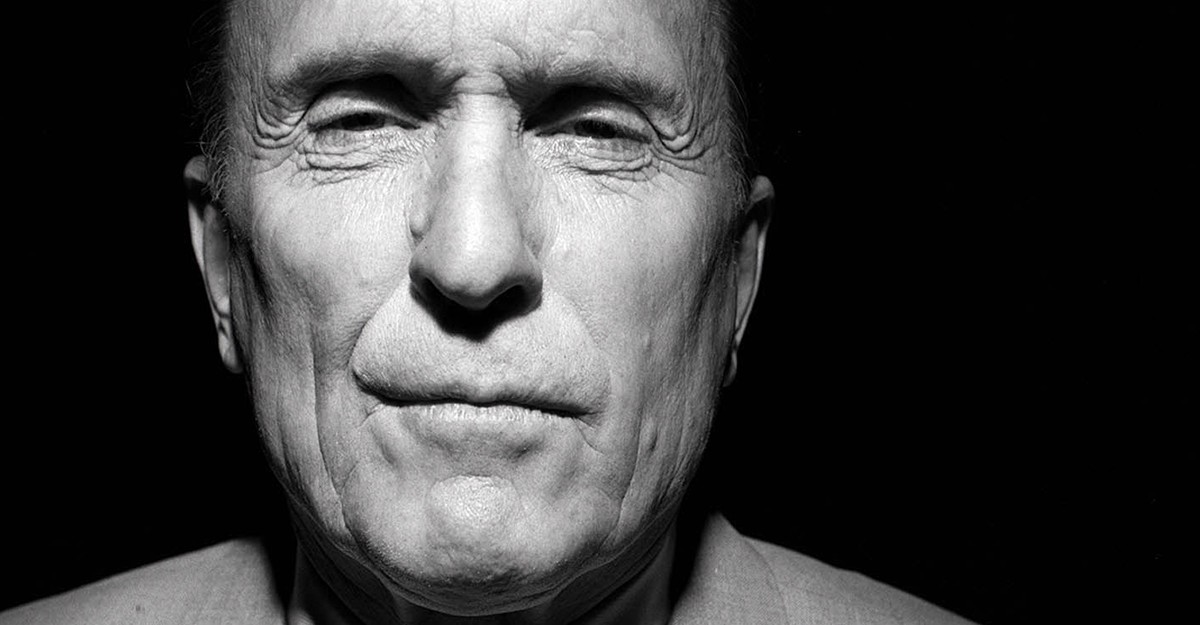
"Duvall died yesterday at the age of 95, having never formally retired from acting. His last two roles, in 2022, were in the sports comedy Hustle and the gothic thriller The Pale Blue Eye, and had the same cranky verve and twinkle he'd long brought to movies. Even though he didn't appear in a movie until he was 31, he made more than 140 of them, receiving an Academy Award (along with six other nominations), an Emmy, and four Golden Globes."
"He could carry a film thunderously, as in The Apostle or The Great Santini, but won an Oscar for his beautifully melancholic work in the low-key country-music drama Tender Mercies. He could swoop in with a supporting performance like his electrifying Lieutenant Colonel Kilgore in Apocalypse Now, rhapsodizing about the smell of napalm in the morning, but just as easily stand out in subtler roles, like his calming consigliere Tom Hagen in the first two Godfather movies."
"Most important to his extraordinary legacy as an actor, Duvall just didn't stop working, putting in fabulous turns in notable movies, but never phoning it in in the smaller, sillier fill-in roles he took along the way. His filmography tells the story of a changing industry several times over. It includes sturdy '60s classics such as Mockingbird and True Grit; challenging '70s movies like George Lucas's THX 1138 and Robert Altman's M*A*S*H*; the beloved '80s TV adaptation of Lone"
Robert Duvall's first film role was a silent Boo Radley in To Kill a Mockingbird. He died at 95 and never formally retired from acting. His last two roles, in 2022, were in Hustle and The Pale Blue Eye. He began appearing in movies at age 31 and finished with more than 140 film credits. He received an Academy Award (plus six nominations), an Emmy, and four Golden Globes. His range included thunderous leads in The Apostle and The Great Santini, an Oscar-winning performance in Tender Mercies, the electrifying Kilgore in Apocalypse Now, and the calm Tom Hagen in the first two Godfather films. He took both major and small roles throughout changing decades of cinema.
Read at The Atlantic
Unable to calculate read time
Collection
[
|
...
]