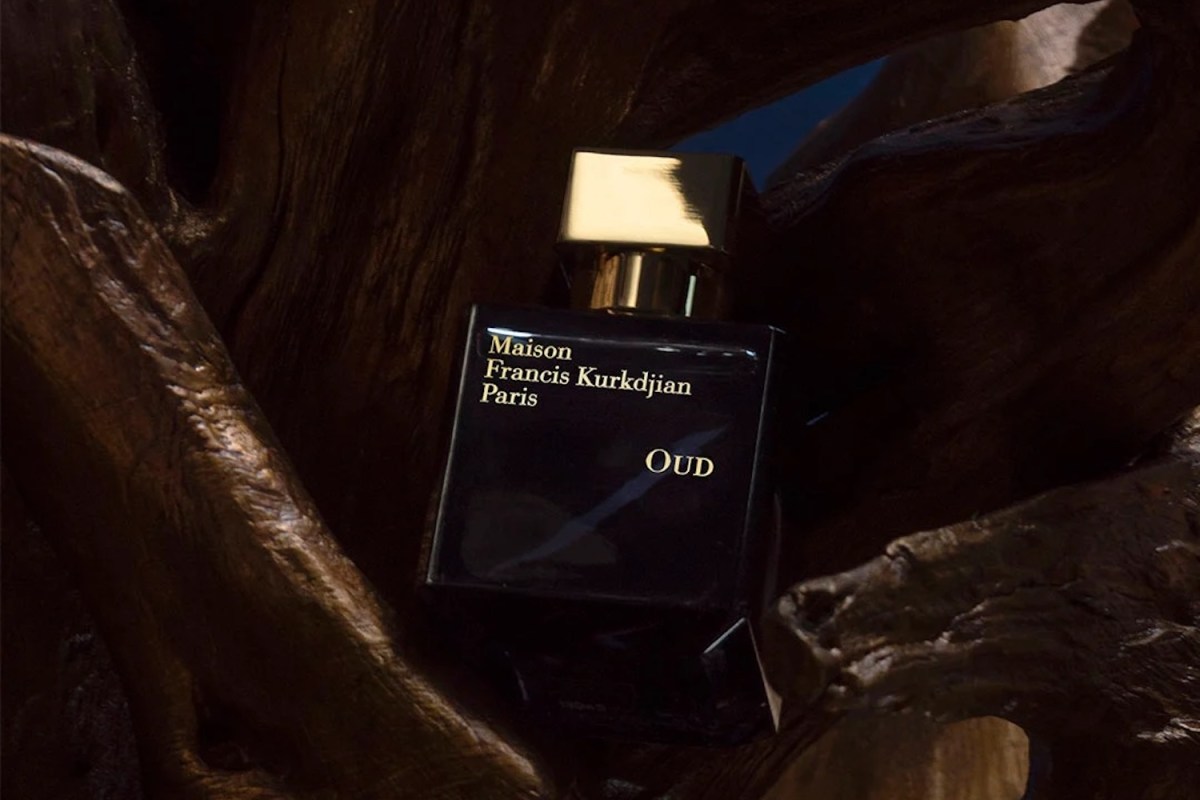
"Oud is old news in the fragrance world, and that's not a dig. What was once a fringe accord in the West (though beloved in the Middle East for centuries) is now fully cemented as a global staple, with just about every perfumer offering their own spin on the distinct, woody, resinous note. Pair oud with citrus, and it feels bright and modern; mix it with florals, and it turns heady and velvety;"
"Some luxury houses still use real oud in tiny amounts, but because it is rare, highly varied and wildly expensive, most modern scents rely on a crafted "oud accord" built from woody, smoky or leathery notes. Brands like Byredo, Le Labo and Maison Francis Kurkdjian helped ease mainstream noses into oud's richer, darker territory, and Tom Ford's Oud Wood was arguably the watershed moment that brought the note to the Western masses."
"Oud is also notoriously divisive, and because it can be so intense, folks tend to have strong opinions about it. That said, many modern oud fragrances are far more nuanced, meaning they won't overwhelm coworkers or anyone in your orbit, yet they still deliver that resinous richness only oud can offer. And a higher-quality oud accord usually means a higher price tag, which is why many of the picks below lean premium - though the ones we're including are absolutely worth it."
Oud, or agarwood, is the aromatic resin produced by the Aquilaria tree and one of perfumery's priciest raw materials. The note is distinctly woody and resinous and can be paired with citrus for brightness, florals for velvety headiness, or spices and resins for smoky, leathery, or animalic sweetness. Luxury houses sometimes use real oud in tiny amounts, but most modern scents rely on crafted oud accords because natural oud is rare, variable, and expensive. Brands like Byredo, Le Labo and Maison Francis Kurkdjian helped mainstream oud, and Tom Ford's Oud Wood popularized it in the West. High-quality ouds often carry premium price tags.
Read at InsideHook
Unable to calculate read time
Collection
[
|
...
]