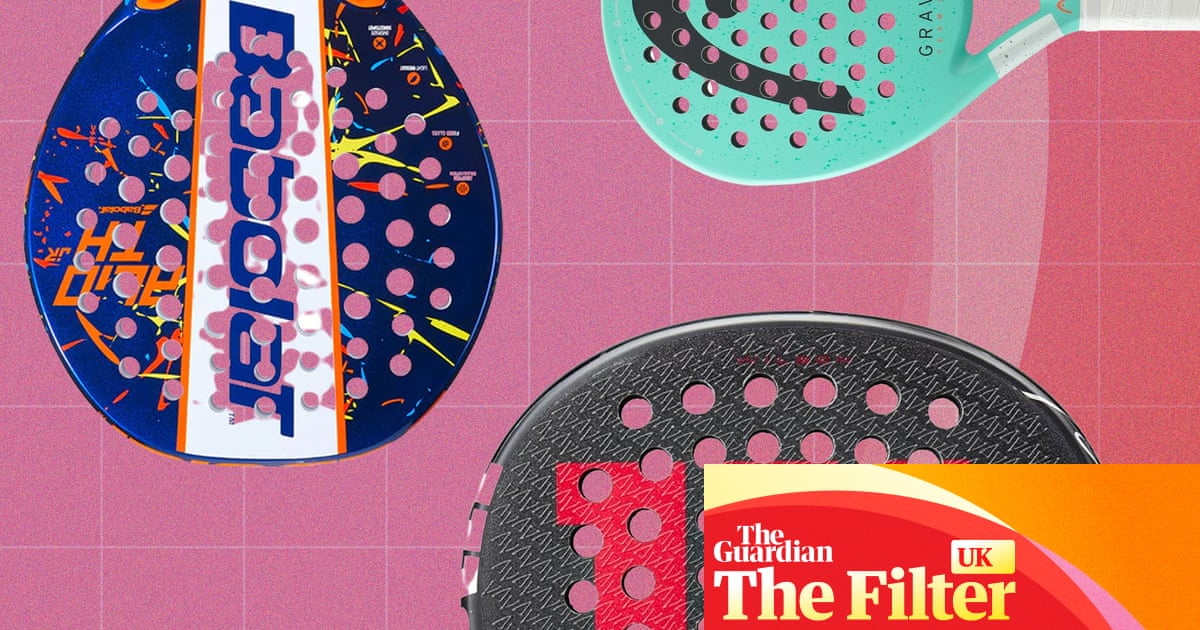
"According to the Lawn Tennis Association, only 15,000 British players picked up a padel racket in 2019 but by the end of 2024, that figure was more than 400,000. Of those, about 399,000 are probably mispronouncing it: think pah-dell rather than paddle."
"People love padel because it's so easy to play. If you can hit a ball with a racket, you can play and there's something joyous about whacking any ball over any net. You don't need to be incredibly fit either: while better players will be constantly on the move, casual players can get away with something akin to walking pace."
"Padel isn't as technical a game as tennis, but there are plenty of tactics and techniques to pick up. Good players don't just whack the ball as hard as they can: in most cases, the ball will bounce back towards the middle of the court, perfect for a clever player to angle away. Padel is a game of subtlety and control."
"The good news is that the number of UK courts is growing, as tennis clubs and even local authorities seize on it as a great way to make money. Hopefully, by this point, you're interested in playing. To do that, you'll need a racket."
Padel has experienced extraordinary growth in Britain, with player numbers increasing from 15,000 in 2019 to more than 400,000 by the end of 2024. The sport's popularity stems from its accessibility—anyone who can hit a ball with a racket can play—and lower fitness requirements than tennis. While less technical than tennis, padel involves substantial tactics and control, rewarding subtlety over power. The rapid growth has created challenges in court availability and high rental costs, ranging from £28 to £50 per hour depending on location and time. However, courts are expanding as tennis clubs and local authorities recognize padel's revenue potential. Players require a padel racket, typically made from carbon fiber and fiberglass.
Read at www.theguardian.com
Unable to calculate read time
Collection
[
|
...
]