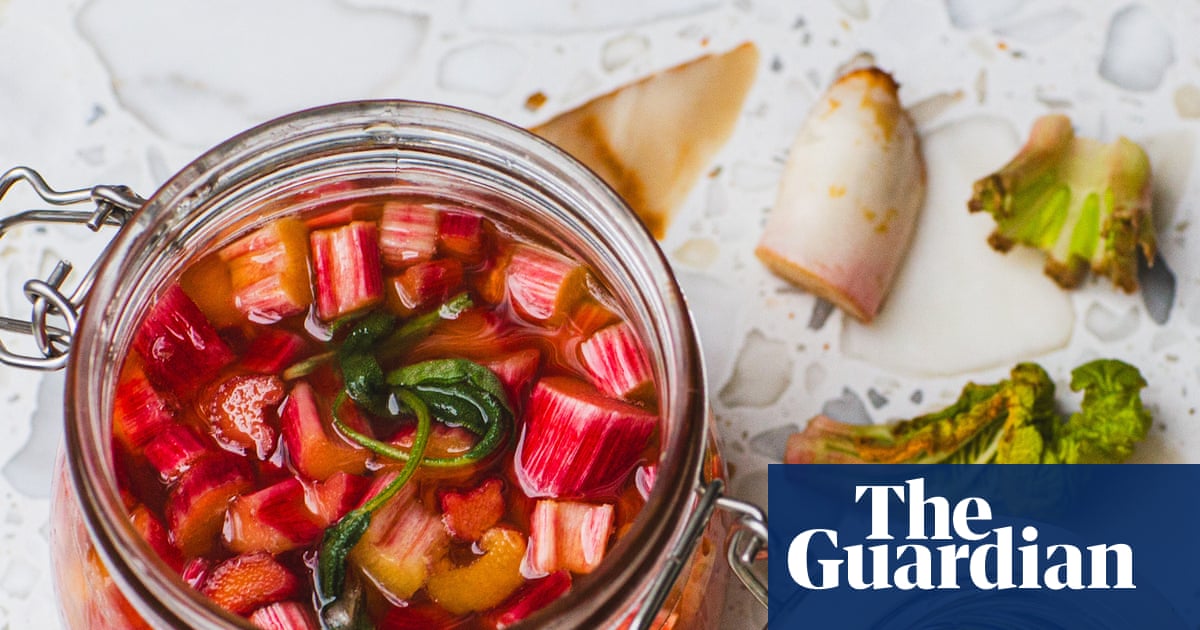
"It's essential to use raw honey for fermenting, because it is naturally acidic (low pH) and contains wild yeasts, beneficial microbes and active enzymes that help create a healthy fermentation environment once diluted. Pasteurised honey, on the other hand, is heat-treated to slow crystallisation, which also destroys many of the naturally occurring yeasts, beneficial bacteria and enzymes needed for fermentation."
"Honey-fermented fruit can be a great alternative to jam. Once soft, the rhubarb pieces are also lovely spread on to sourdough. Its sweet-and-sour flavour works well spooned over yoghurt, porridge or pancakes, and it also goes brilliantly with cheese: cheddar, goat's or sheep's cheese are all perfect with the sweet-sour syrup and rhubarb chunks."
"Honey contains prebiotic carbohydrates, which feed the good bacteria in our gut, as well as antioxidants called flavonoids, which support digestive health and overall wellness through fermentation."
Raw honey is essential for fermentation because its natural acidity, wild yeasts, beneficial microbes, and active enzymes create an ideal fermentation environment. Pasteurized honey lacks these properties due to heat treatment that destroys beneficial organisms. Honey-fermented rhubarb jam represents a sophisticated fermentation technique producing a versatile preserve with sweet-sour flavor. This ferment works in both sweet contexts like yogurt and porridge, and savory applications with cheeses such as cheddar or goat's cheese. For those reducing sugar intake, honey-fermented fruit provides a nutritious jam alternative. Honey contains prebiotic carbohydrates that feed beneficial gut bacteria and antioxidant flavonoids, making fermented honey preparations valuable for digestive health.
Read at www.theguardian.com
Unable to calculate read time
Collection
[
|
...
]