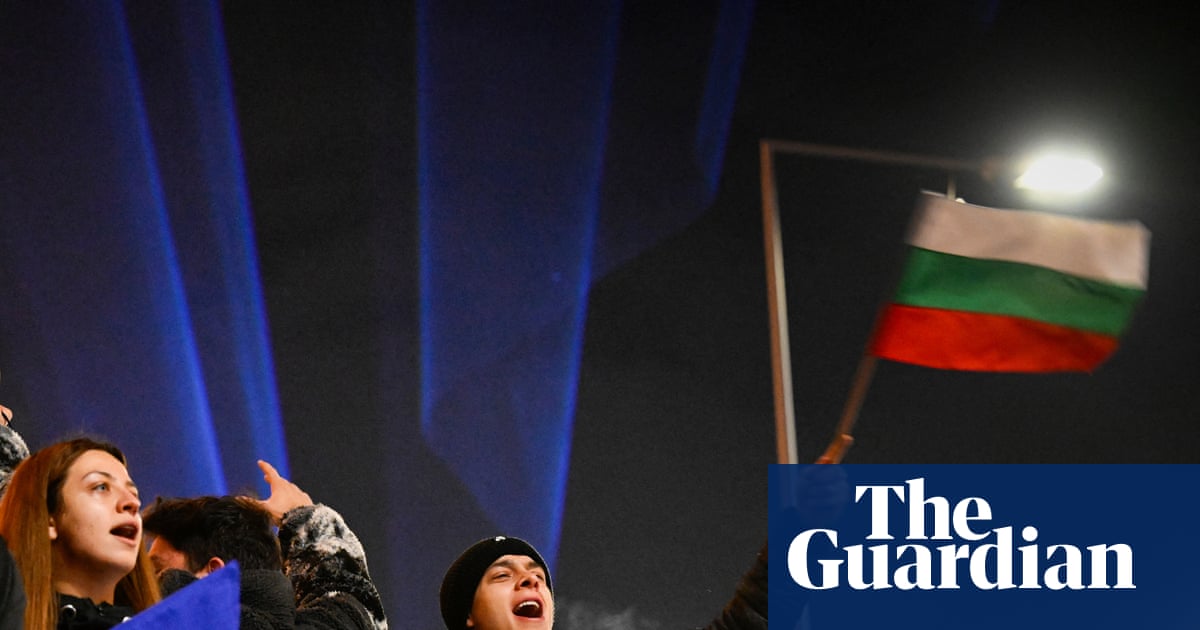
"Bulgaria is preparing to adopt the euro in January amid fresh domestic political turbulence and fears that Russia-aligned disinformation is deepening distrust of the new currency. The Balkan country of 6.5 million people will become the 21st country to join the eurozone on 1 January, as policymakers in Brussels and Sofia hope it will boost the economy of the EU's poorest nation and cement its pro-western trajectory."
"On a recent visit to Sofia, the economy commissioner, Valdis Dombrovskis said the move was key at a time of Russia's war with Ukraine, rising geopolitical tensions and global economic uncertainty that underline the importance of European unity. Most European countries including Bulgaria are far too small to shape today's world on their own. They only stand to gain necessary weight by fully integrating into the European Union's larger political and economic structures, he said."
"Despite the touted benefits, however, Bulgarians are far from united. A recent survey by the ministry of finance showed that, while 51% of citizens were in favour of joining the single currency, 45% were against it. A fight broke out in the parliament in June when the euro entry was approved by the European commission, with MPs from the far-right, pro-Russian Revival party blocking the podium."
Bulgaria will adopt the euro on 1 January and become the eurozone's 21st member. Policymakers in Brussels and Sofia expect the change to boost trade, investment, jobs and real incomes and to cement a pro-Western trajectory. The shift occurs amid Russia's war in Ukraine, rising geopolitical tensions and global economic uncertainty, highlighting the value placed on European unity. Public opinion is divided: a finance ministry survey found 51% in favour and 45% opposed. A parliamentary altercation occurred when the euro entry was approved, and a four-year political crisis with seven elections and widespread corruption has eroded trust in government.
Read at www.theguardian.com
Unable to calculate read time
Collection
[
|
...
]