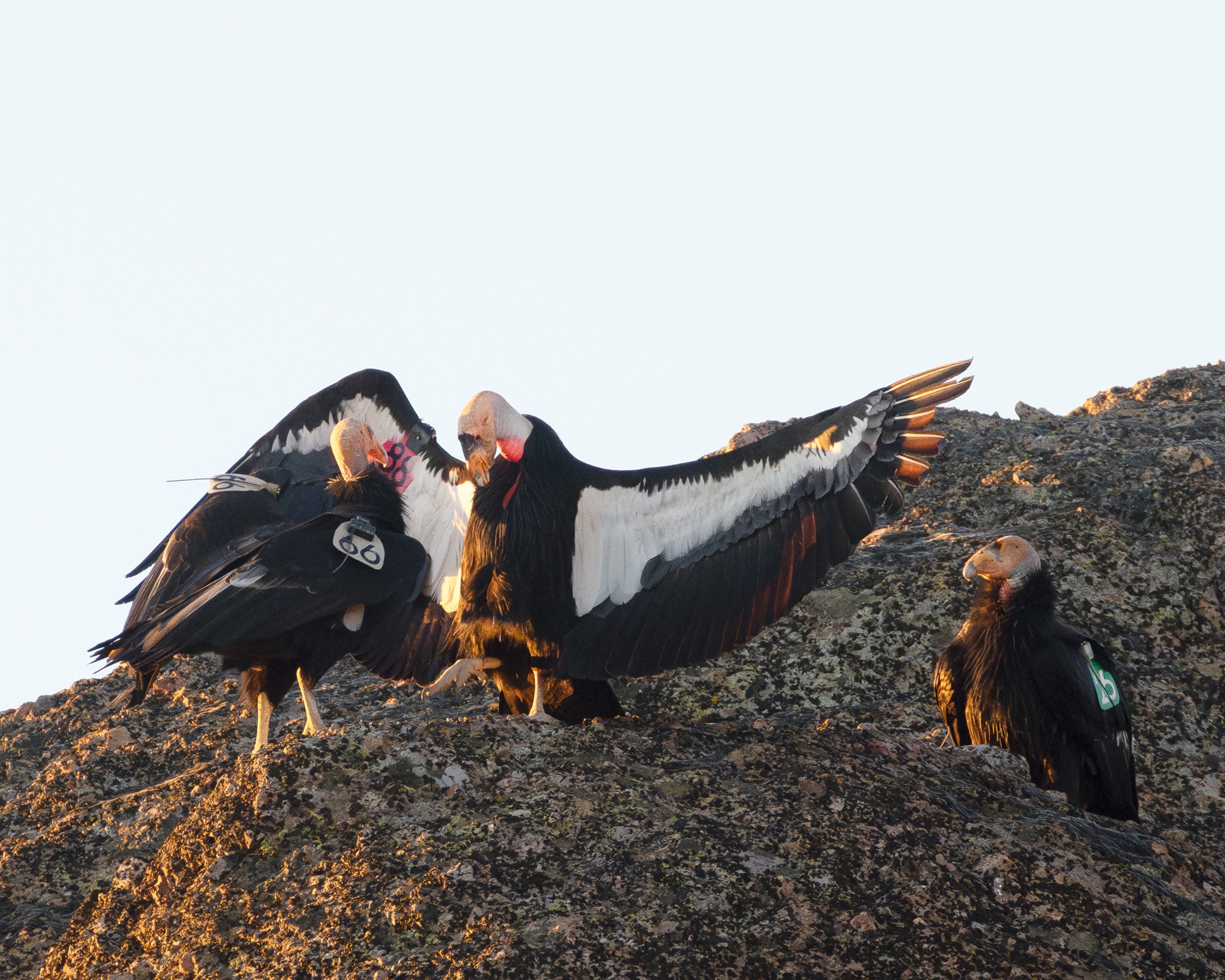
"Condors are very long-lived, so very small changes in their survival rate can make big differences on whether or not they will go extinct or not go extinct. The goal is that for us to stop releasing captive-bred birds, and currently right now, we still have to. The population is declining unless we release captive-bred birds."
"Not only does lead poison California condors, it will poison any scavenging species, and there's no level of lead exposure that's known to be without long-term effects for young kids. So [no lead] is just a win-win all around."
"In the years that followed the ban, she and her colleagues continued their research, but they did not see the lead mortality decrease as expected. In fact, it worsened. The amount of lead in the blood of Central California condors actually jumped after full implementation of the ban."
California condors face extinction risk from lead ammunition poisoning, with their long lifespan making small survival rate changes critical. Research by UC Santa Cruz toxicologist Myra Finkelstein demonstrated lead ammunition prevented condor recovery, leading to California's 2013 lead bullet ban for hunting, fully implemented in 2019. However, post-ban monitoring revealed unexpected results: lead mortality in Central California condors worsened rather than improved, with blood lead levels actually increasing after full implementation. Despite evidence of hunter compliance with the ban, the research team faced pressure to explain this counterintuitive outcome, as failure to do so could discourage other states and countries from implementing similar protective measures.
#california-condor-conservation #lead-ammunition-poisoning #wildlife-protection-policy #environmental-toxicology
Read at Kqed
Unable to calculate read time
Collection
[
|
...
]