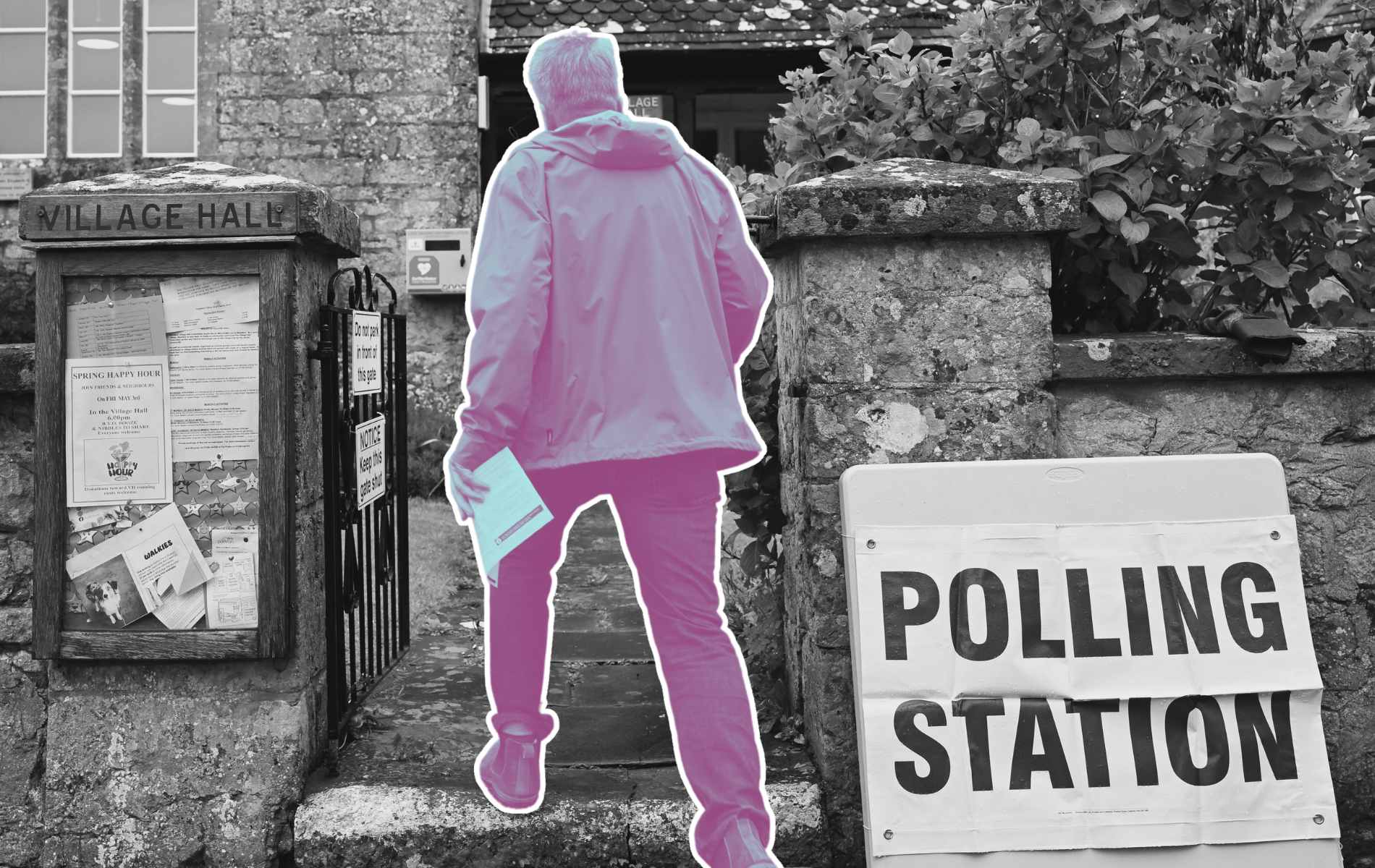
"Compulsory voter ID came into force under the Elections Act 2022, which introduced the requirement and means polling station staff now verify each voter's name and photograph to ensure it matches what is on the electoral register. The previous Conservative government said the change would protect the "integrity" of elections and prevent serious voter fraud."
"Data obtained by Stonewall and the LGBT Foundation previously found that nearly a quarter (24 per cent) of trans and 19 per cent of non-binary respondents said they do not own an ID that would be legally recognised. While research publish by Bristol University Press in 2025 found one in four trans people said they were less likely to vote following the introduction of voter ID."
"Some MPs, civil rights groups, unions and charities have labelled it a form of "voter suppression" for trans, Black and disabled voters given these groups are less likely to have usable photographic ID."
Local elections in England will occur on 7 May 2026, with 4,851 council seats contested across 134 councils. Voters must present photographic ID at polling stations under the Elections Act 2022. The requirement aims to protect election integrity and prevent voter fraud. However, critics including MPs, civil rights groups, unions, and charities argue it constitutes voter suppression, particularly affecting trans, Black, and disabled voters who are less likely to possess usable photographic ID. Research shows 24 percent of trans and 19 percent of non-binary respondents lack legally recognised ID, while one in four trans people report reduced likelihood to vote following the ID requirement's introduction.
#voter-id-requirements #trans-and-non-binary-voters #local-elections-2026 #voter-suppression #electoral-access
Read at PinkNews | Latest lesbian, gay, bi and trans news | LGBTQ+ news
Unable to calculate read time
Collection
[
|
...
]