"Your co-founder who was at Wikipedia for a minute in the earliest part of Wikipedia, has urged a "reformation," abolishing what he calls blacklists of sight of sources. You have a lot of conservatives—Ted Cruz has been attacking Wikipedia for its ideological bias; Elon Musk, of course, has started Grokipedia, which is his own AI-powered alternative to Wikipedia—how does Wikipedia maintain trust with a concerted ideological assault being leveled against it?"
"First of all, I think it is a real challenge. And my first hat tip to Elon is, thanks for helping my book sell more, because I think it's keeping me in the news, and people are very interested in this whole discussion and debate. First of all, I think one of the things that we always have to do when we get criticism or proposals for reform or change or whatever, is take it seriously."
"To say, "Okay, hold on. Is this right?" and if it is right, because there's something we should fix and change and so forth. So the idea that we have blacklists or should eliminate that, it's a very confused objection. Yes, there are some sites that you cannot post on Wikipedia because they have malware, SPAM, et cetera. We're not going to change that."
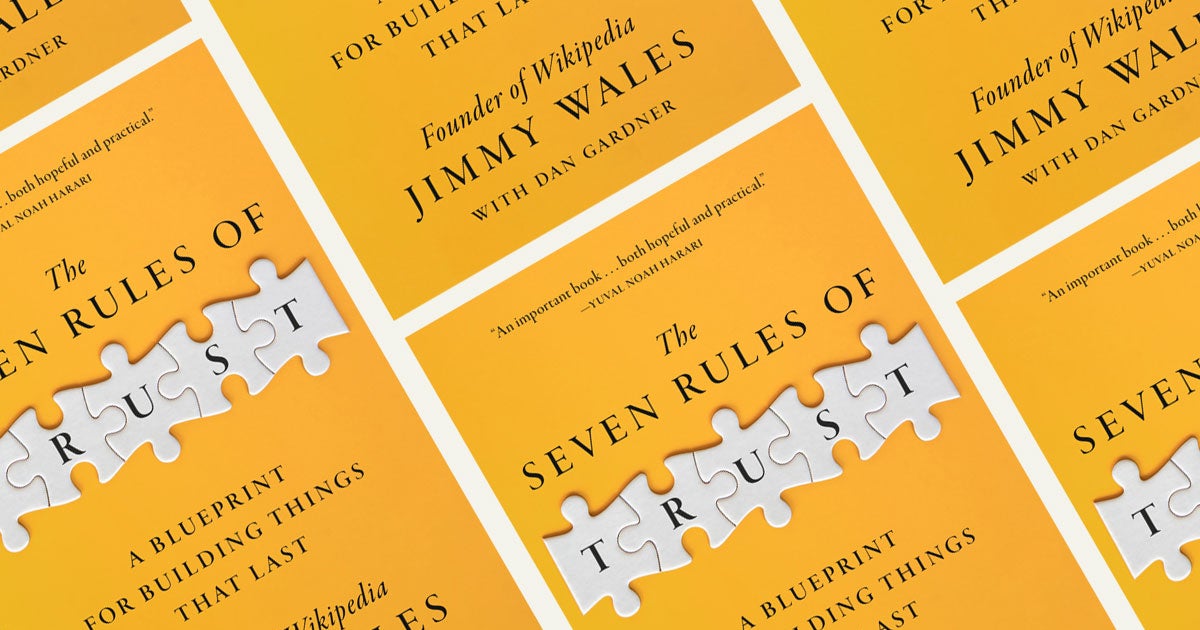
Wikipedia faces ideological attacks and emerging AI-driven alternatives while striving to maintain authority and trust. Leadership emphasizes taking criticism seriously, evaluating proposed reforms on their merits, and preserving protections against malicious or unreliable sites. Some domains are excluded for malware or spam, and editors prioritize higher-quality sources over poor ones. Core principles of purpose, civility, and trust serve as a blueprint for powering collaboration at scale and for rebuilding institutions that connect people. Public scrutiny raises attention and underscores the need for careful, evidence-based policy adjustments rather than sweeping eliminations of safeguards.
Read at Slate Magazine
Unable to calculate read time
Collection
[
|
...
]