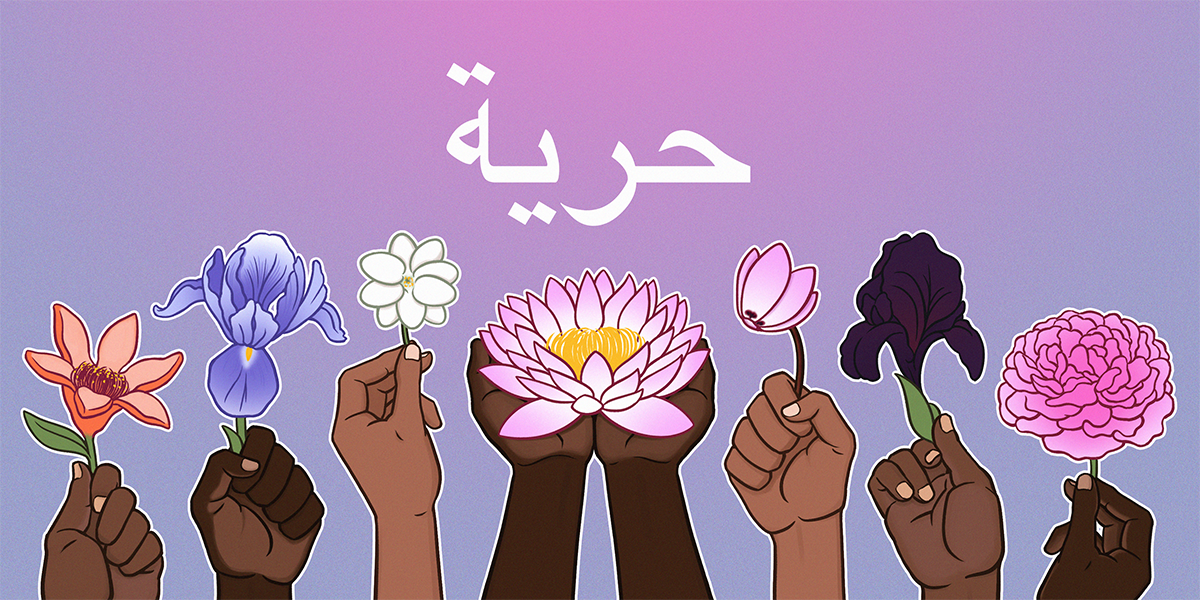
"The tools at their disposal are vast, allowing them to coordinate quickly and turn local grievances into visible, transnational moments of dissent. But each new tactic is met in turn: governments now implement draconian regulations and deploy sophisticated surveillance systems, content manipulation, and automated censorship to pre-empt, predict, and punish collective action."
"Fifteen years later, the legacy of that moment still defines the terms of resistance and control in the digital age. At the time, we were sold the comforting narrative that the internet would help bring about democracy, that connectivity itself was revolutionary."
"The same networks that helped protesters to organize and broadcast their demands beyond their own borders laid the groundwork for new forms of repression."
A new generation of protesters is utilizing digital tools to mobilize and shape political narratives across various countries. This digital empowerment is met with government repression through regulations and surveillance. The cycle of empowerment and repression has roots in the 2011 Arab uprisings, which transformed political discourse and government responses to dissent. Initially, the internet was seen as a pathway to democracy, but it has also facilitated new forms of repression, complicating the narrative of connectivity as inherently revolutionary.
Read at Electronic Frontier Foundation
Unable to calculate read time
Collection
[
|
...
]