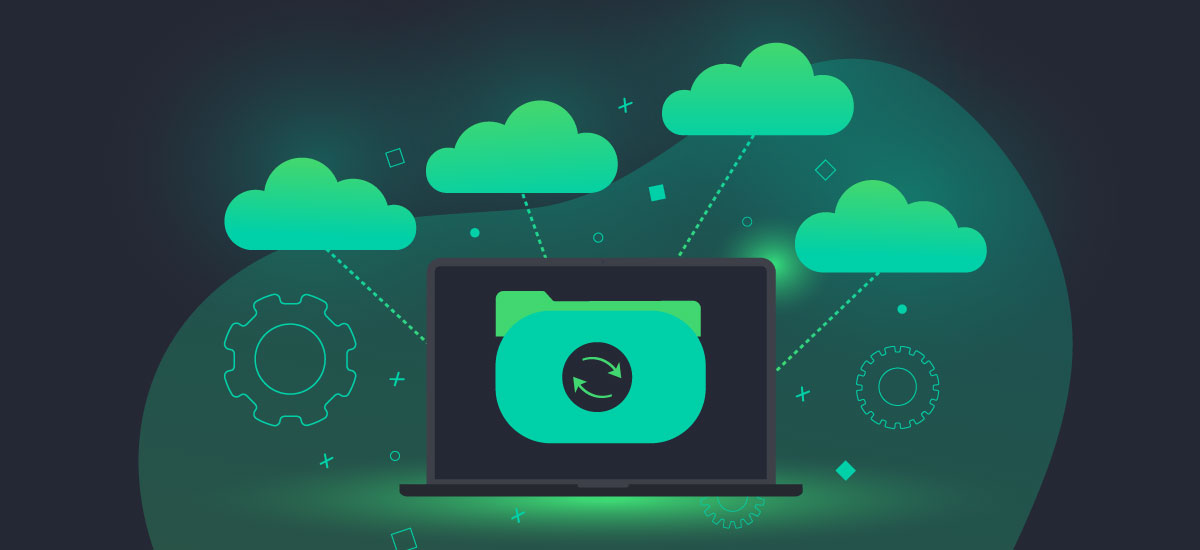
"The main advantage of going the Multi-Cloud way is that organizations can "put their eggs in different baskets" and be more versatile in their approach to how they do things. For example, they can mix it up and opt for a cloud-based Platform-as-a-Service (PaaS) solution when it comes to the database, while going the Software-as-a-Service (SaaS) route for their application endeavors."
"What is a Multi-Cloud Database? In a nutshell, a Multi-Cloud Database is a strategy that involves the engagement of multiple cloud vendors to create a more dynamic setup and boost operational versatility. This can be a series of public vendors (Amazon, Microsoft, Google, etc.) to address budget constraints or a blend of private and public setups for specific performance and operational requirements."
Multi-Cloud Databases employ multiple cloud vendors to enable dynamic, versatile database deployments. Organizations can combine service models such as PaaS for databases and SaaS for applications to balance cost and capability. Multi-cloud architectures allow data partitioning and segmentation across clouds with replication to maintain availability and resilience. Multi-cloud differs from hybrid cloud, which unifies private and public environments and often uses containers and microservices for integration. Proprietary vendor technologies drive technological flexibility as a primary adoption factor, encouraging segmentation to optimize compatibility, performance, and operational requirements.
Read at Dbmaestro
Unable to calculate read time
Collection
[
|
...
]