"Long before architecture took the form of walls, roofs, or cities, it gathered people around fire. The simple fire pit was one of humanity's earliest spatial devices: a place for warmth, food, storytelling, and ritual. Around it, space took shape through proximity rather than enclosure, through shared presence rather than prescribed use. The fire organized bodies in a circle, fostered alliances, and turned survival into collective life."
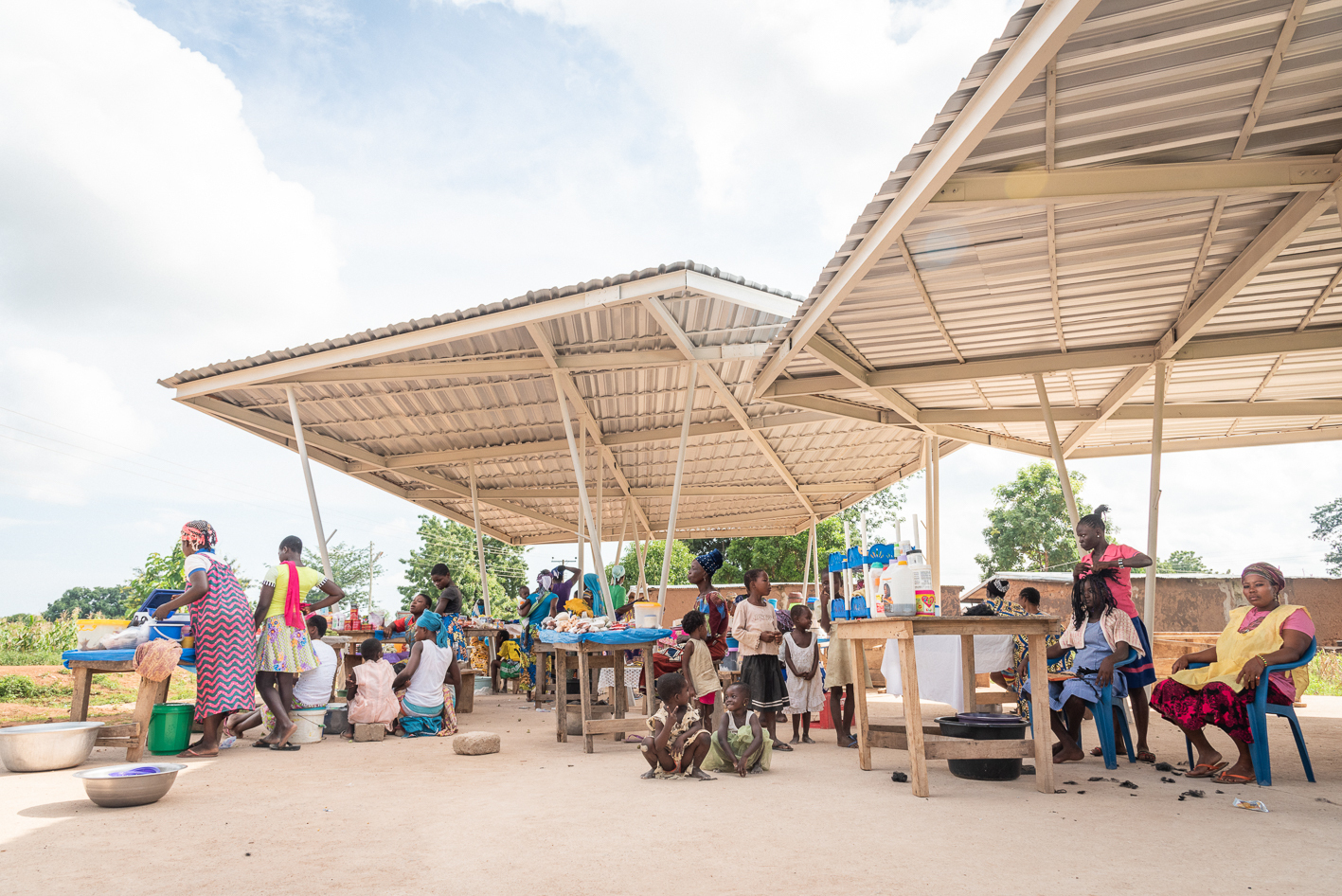
"This month, ArchDaily explores Coming Together and the Making of Place, a topic that examines architecture as a framework for inclusion, care, and belonging. The theme looks beyond iconic gathering spaces to consider everyday environments, from food markets, communal tables, and neighborhood plazas to third spaces, domestic settings, and digital or hybrid environments of remote togetherness. Rather than treating togetherness as a fixed program, the coverage asks how spatial design can support openness, diversity, and collective life without enforcing uniform ways of gathering."
The fire pit functioned as an early spatial device, organizing people through proximity for warmth, food, storytelling, and ritual. Space emerged from shared presence rather than enclosure, shaping circles that fostered alliances and collective survival. That ancestral logic endures: architecture can enable togetherness by creating conditions for gathering rather than prescribing behaviors. Everyday environments — including food markets, communal tables, neighborhood plazas, third spaces, domestic settings, and digital or hybrid platforms — can act as tools for connection. Culinary spaces, public markets, plazas, and leisure areas catalyze social exchange and local identity when designed to support openness, repetition, and diverse modes of use.
Read at ArchDaily
Unable to calculate read time
Collection
[
|
...
]