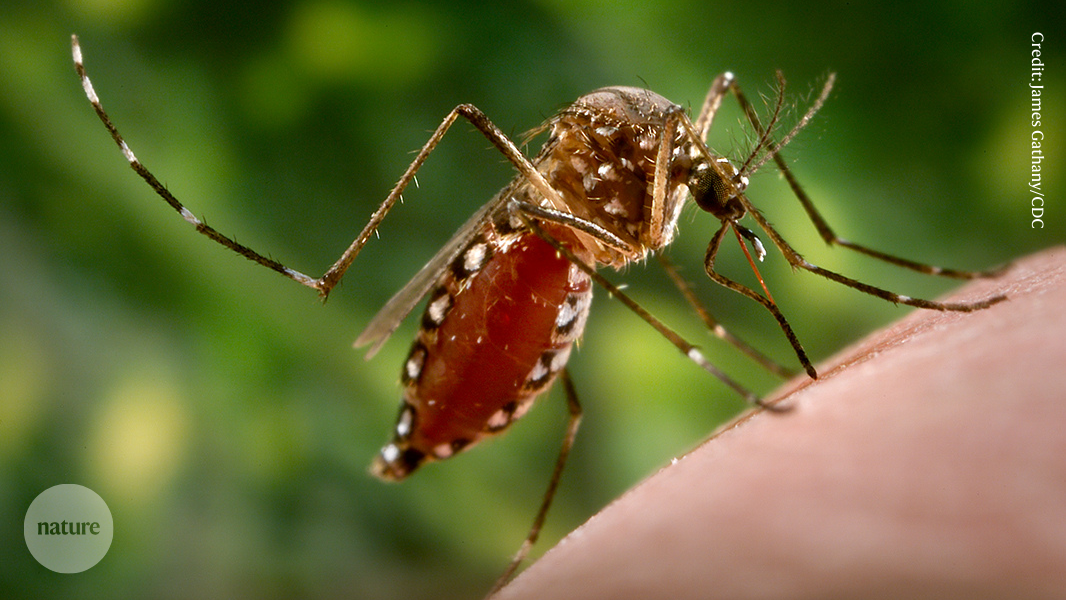
"In 2018, halfway through my PhD programme at the University of Queensland in Brisbane, Australia, I discovered a previously unknown virus in the laboratory's Aedes aegypti mosquito cell lines. This new virus was uncharacterized and unexpectedly reduced replication of the dengue virus, suggesting potential implications for understanding how mosquitoes transmit disease."
"Before long, I had downloaded and examined around 3,000 of them and had traced the virus's evolutionary history across the globe. This extensive analysis of transcriptomic data sets from mosquito researchers worldwide provided valuable insights into the virus's prevalence."
"Taking a fresh look at his lab's published data, I found something unexpected: viruses seemed to be chopping up cellular RNA in ways that hadn't been seen before. This reanalysis led to a collaboration with another virologist, resulting in a national grant."
A researcher discovered a new virus in mosquito cell lines during their PhD. This virus reduced dengue virus replication and prompted further investigation using global transcriptomic data. The researcher analyzed around 3,000 data sets, tracing the virus's evolutionary history. A subsequent examination of another lab's data revealed novel interactions between viruses and cellular RNA, leading to a collaboration on a national grant. This experience highlights the value of secondary data analysis for early-career researchers in generating new insights and opportunities.
Read at Nature
Unable to calculate read time
Collection
[
|
...
]