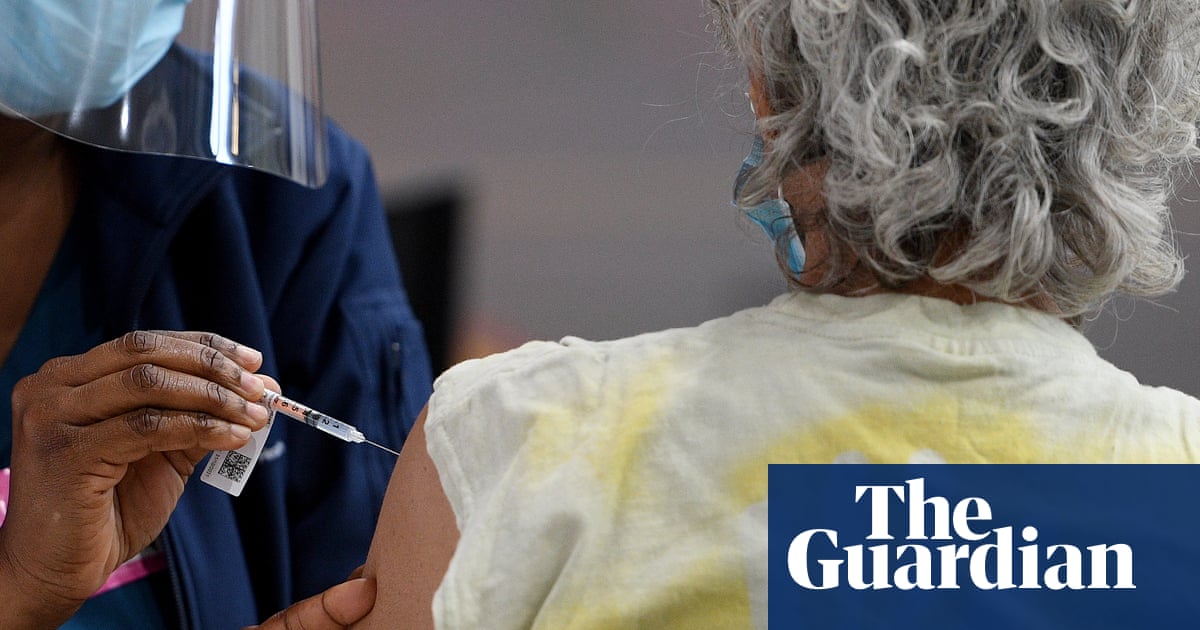
Diphtheria spread in the Northern Territory, with awareness arriving in late March after the outbreak had been ongoing for months. Northern Territory Health had recorded 37 cutaneous cases emerging since May 2025 and four respiratory cases diagnosed in March, two in Darwin and two in Alice Springs. Early cases in Alice Springs were not linked to the Darwin outbreak, leading to the conclusion that transmission was widespread and required a response across communities. Congress began immunisation in town camps but found insufficient community information about disease severity and vaccination schedules, including five-year boosters for health workers and Indigenous people. Vaccine supply shortages delayed efforts until late last week. By May, 15 to 20 new cases were diagnosed weekly, and testing relied on one laboratory at Royal Darwin Hospital with results taking up to one week.
"By the time we became aware of it, it had been grumbling along for some time, says Boffa, who is chief medical officer with the Central Australian Aboriginal Congress Aboriginal Corporation, a community-controlled primary healthcare service in Alice Springs. At that point, Northern Territory Health was aware of 37 cases of cutaneous (skin) diphtheria, which had been emerging since May 2025, and four cases of the more serious and potentially deadly respiratory diphtheria (two in Darwin and two in Alice Springs), with all of those cases diagnosed in March."
"I quickly then learned about all the cases that had been in Darwin since last year, and at that point our case here in Alice Springs was not linked to the Darwin outbreak, or other cases, he says. Then it was obvious it was everywhere, because if you've got unlinked cases, it's all around us. So you need a response everywhere. Congress kicked into action, but once we started going out to town camps to immunise, we realised there wasn't enough information out there in the community either, Boffa says."
"This included information about the severity of diphtheria, he says, but also about how to get vaccinated or when to get a booster shot, which for health workers and Indigenous people is recommended every five years. Initially, there was also a struggle to get enough vaccine supply, Boffa adds. Meanwhile, by May, between 15 and 20 new cases were being diagnosed each week."
"There is one laboratory at Royal Darwin hospital testing for diphtheria, Boffa says, with results taking up to one week to come back. We finally got over that vaccine supply issue by the end of last week, he says. So we had enough vaccine, that wasn't a"
Read at www.theguardian.com
Unable to calculate read time
Collection
[
|
...
]