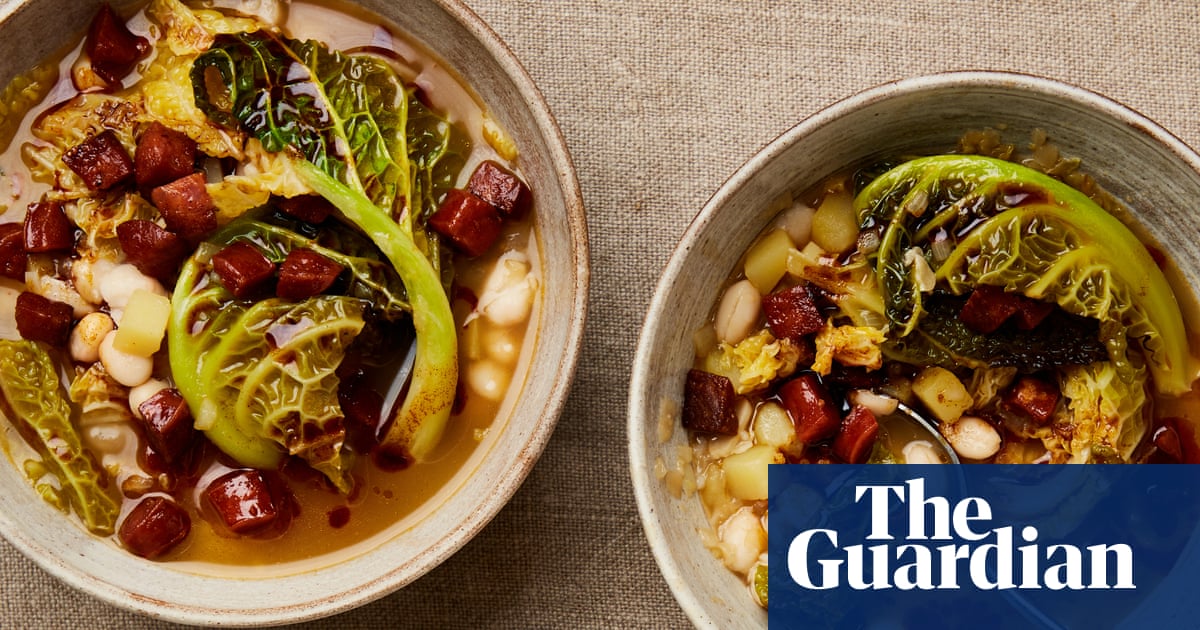
"It's not good news: despite a lot of messaging about healthy eating, Britons consume 12% less vegetables per week than they did in 1974, when the government's Family Food survey began. And while the consumption of some specific vegetables courgettes, say has risen over the past 50 years, others have experienced a sharp decline. Among the biggest losers is cabbage."
"Cabbage consumption in the UK dropped by 80%, beaten only by brussels sprouts (87%) which are, after all, a kind of cabbage. This is a tragedy, not just because cabbage is an unsung superfood containing essential vitamins, minerals and antioxidants, as well as protein and dietary fibre, but because it's a flexible, abundant and potentially delicious culinary ingredient. It even comes in different colours."
"Guardian writer Meera Sodha is passionate if not downright evangelical about the versatility of cabbage. Her white cabbage, peanut butter and gochujang noodles is a good place to begin: a recipe so simple it's targeted at students, takes about 30 minutes to make, requires no particular skill, and nothing beyond perhaps gochujang, a Korean red chili paste you won't likely find in your cupboard."
Vegetable consumption in Britain has fallen by 12% per week since 1974. Some vegetables, such as courgettes, have increased in consumption while others have declined sharply. Cabbage consumption has dropped by 80% and brussels sprouts by 87%. Cabbage contains essential vitamins, minerals, antioxidants, protein and dietary fibre. Cabbage is versatile, abundant, available in different colours, and can be delicious when prepared well. Cabbage can be eaten raw when finely shredded in coleslaw or spicier slaws, or used cooked in a variety of dishes. A simple white cabbage, peanut butter and gochujang noodles recipe can be made in about 30 minutes with minimal skill, and kohlrabi can substitute for mooli in slaw recipes when needed.
Read at www.theguardian.com
Unable to calculate read time
Collection
[
|
...
]