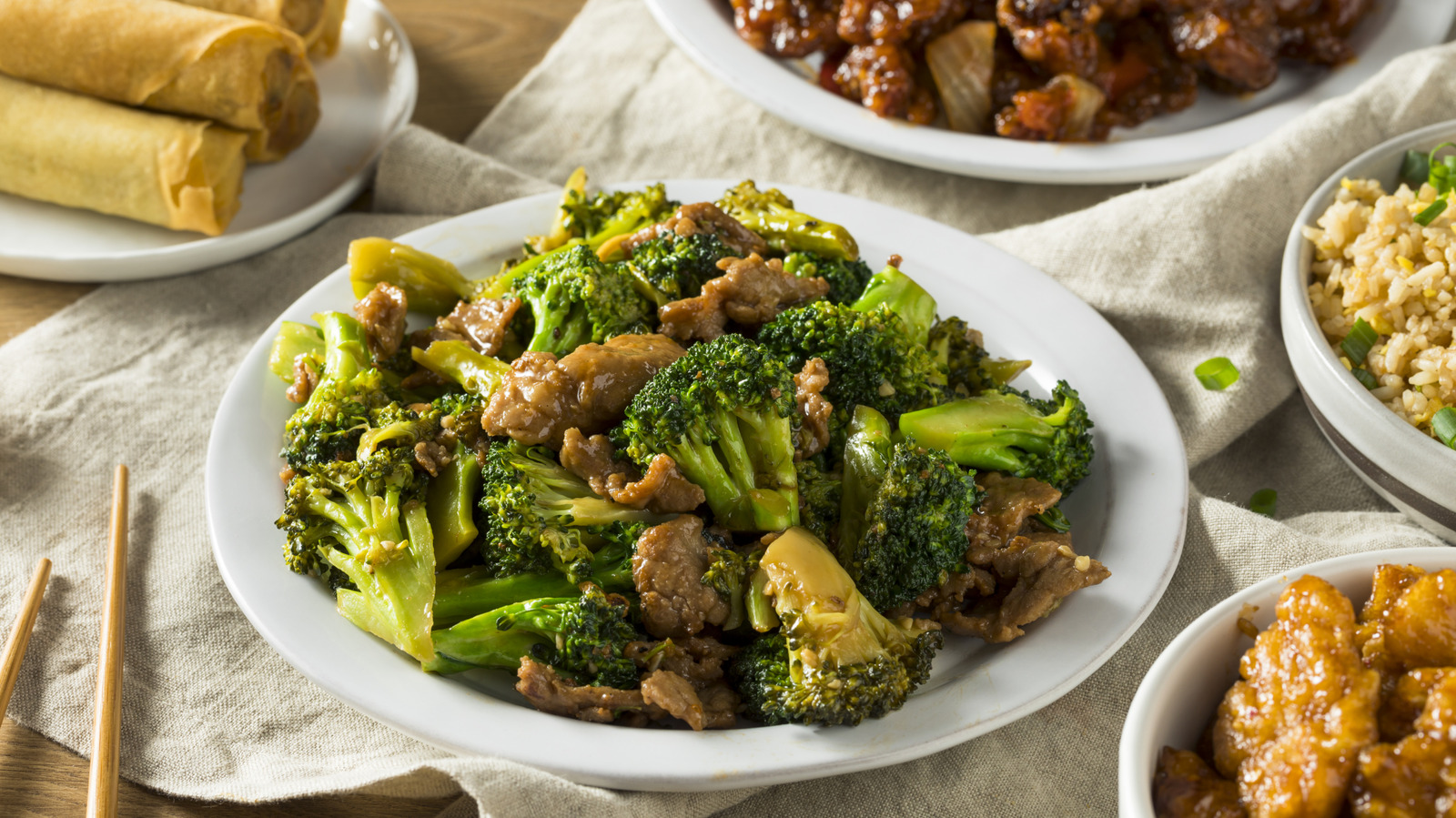
"As a Chinese person and cookbook author, I often wish people would stop making this one mistake when dining in a Chinese restaurant. And that mistake is overusing soy sauce. I've seen folks drizzle a sinful amount of soy sauce over everything from noodles to fried rice or congee to beef and broccoli. I feel, strongly, that soy sauce should be used as a dipping sauce in Chinese restaurants, much like you use it in a Japanese restaurant when enjoying sushi and gyoza."
"The reason I say this is because Chinese food often already comes seasoned beautifully. Flavors are also well balanced. We often marinate our proteins with soy sauce, oyster sauce, salt, pepper, MSG, and other ingredients essential to Chinese cooking. Additionally, some Chinese food is meant to be more qīngdàn (or 清淡 in Mandarin), meaning lightly flavored. That includes food like congee (or rice porridge), white rice, and clear soups."
Chinese dishes are often already well seasoned and balanced, so avoid drowning them in soy sauce. Many proteins are marinated with soy sauce, oyster sauce, salt, pepper, MSG, and other essential ingredients, and some dishes are intentionally qīngdàn, or lightly flavored, such as congee, white rice, and clear soups. Use soy sauce primarily as a dipping condiment to preserve the intended taste of steamed or delicate items. If a dish becomes too salty from excess soy sauce, pair it with plain white rice to absorb and dilute the seasoning and rebalance the meal.
Read at Tasting Table
Unable to calculate read time
Collection
[
|
...
]