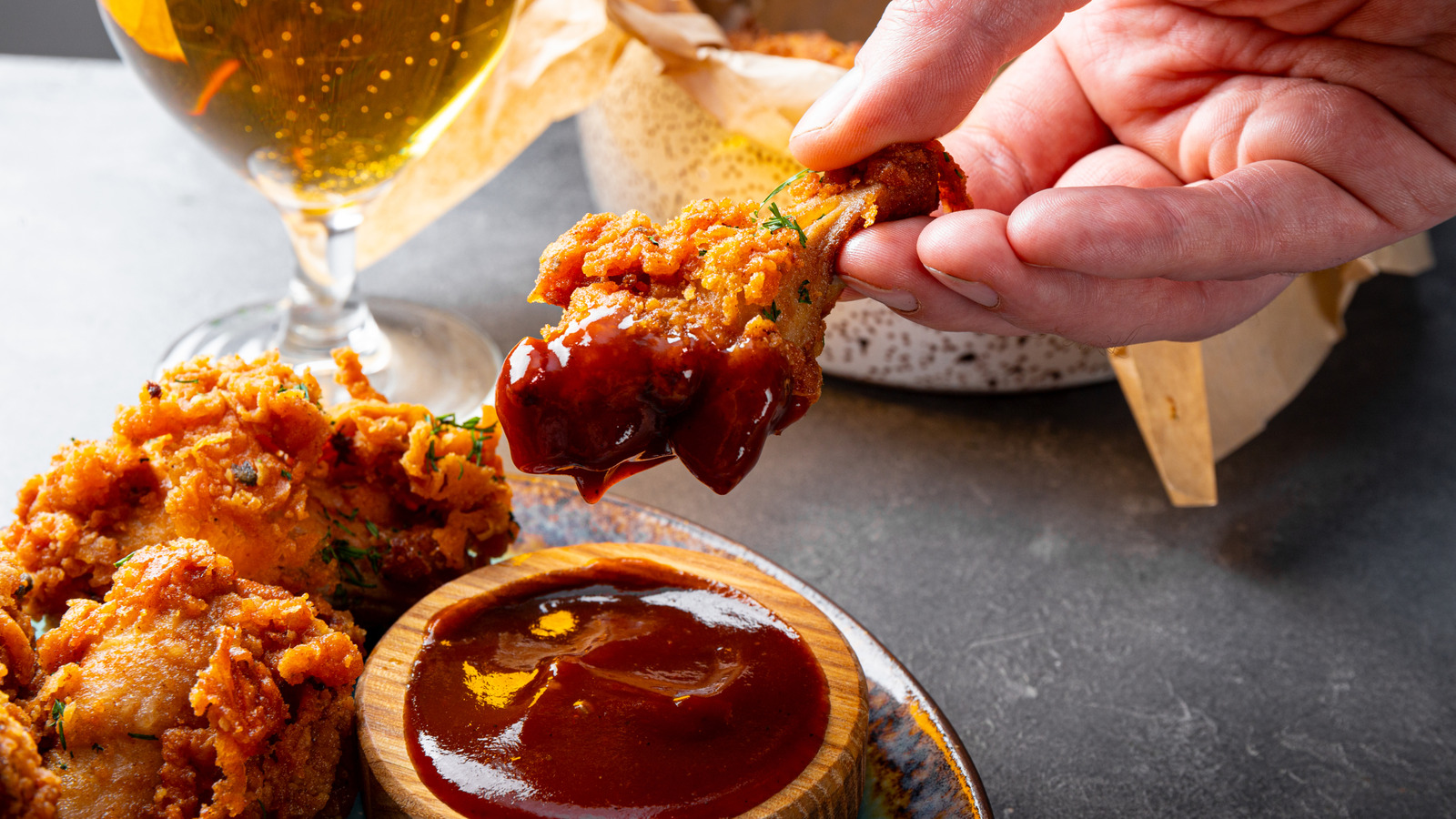
"Vinegar is the secret weapon in any memorable wing sauce. Its bright acidity cuts straight through all that richness - the butter, the oil, the fatty meat itself - without letting any of it sit heavy on your tongue. The vinegar also wakes up your palate before the heat arrives and, thanks to its tang, stops the sauce from being too one-dimensional or cloyingly sweet and becomes genuinely interesting to eat."
"White vinegar can be your go-to for a straightforward, no-nonsense hot sauce. On the other hand, apple cider vinegar's slight sweetness can work magic in a bourbon-based glaze and barbecue sauce. Or, if you're making a herbed sauce like ají verde, white wine vinegar does that beautifully. Whatever you end up choosing, the first time you try it, start conservatively: a teaspoon per cup of sauce. Taste, then adjust until the tang and the heat coalesce just right."
Chicken wings transformed from restaurant waste into tailgate and game-day staples. Vinegar brightens wing sauces by cutting through butter, oil, and fatty meat, preventing heaviness. Vinegar awakens the palate before heat and prevents sauces from becoming one-dimensional or overly sweet. Different vinegars produce distinct results: white vinegar for straightforward hot sauces, apple cider vinegar for sweet notes in bourbon glazes and barbecue sauces, and white wine vinegar for herbed sauces such as ají verde. Begin with a conservative amount—about a teaspoon per cup of sauce—and taste and adjust until tang and heat balance.
Read at Tasting Table
Unable to calculate read time
Collection
[
|
...
]