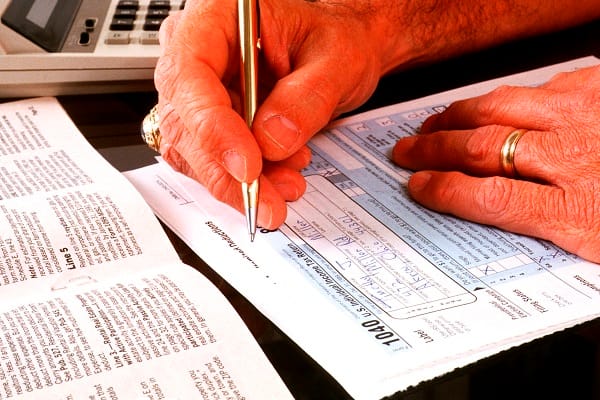
"Tax efficiency is a key factor in long-term business success. While paying the correct amount of tax is a legal obligation, structuring operations in a way that minimises unnecessary tax liabilities allows businesses to retain more capital, improve cash flow, and reinvest in growth. This article looks at ways you can make your own business become more tax-efficient, focusing on planning, structure, and professional support."
"What is 'tax efficiency'? Tax efficiency refers to organising business finances and operations so that tax obligations are met without paying more than required by law. It involves understanding allowances, reliefs, and structures that reduce taxable income legitimately. Tax efficiency is not about avoidance, it is about planning within the rules. Key ways businesses can improve tax efficiency Here are some game-changing ways your business can improve its tax efficiency:"
Tax efficiency means organising business finances and operations so tax obligations are met without paying more than required by law. Choosing the appropriate legal structure influences how profits, dividends, and national insurance are taxed and should be reviewed as the business evolves. Claiming all allowable expenses and maintaining accurate records prevents overpayment. Capital allowances permit deductions for assets such as machinery, IT equipment, vehicles, and fittings, reducing taxable profits. Timing income and expenditure can alter tax exposure, for example by deferring income into the next tax year. Professional planning and advice support compliant use of allowances, reliefs, and structures to retain capital for reinvestment.
Read at London Business News | Londonlovesbusiness.com
Unable to calculate read time
Collection
[
|
...
]