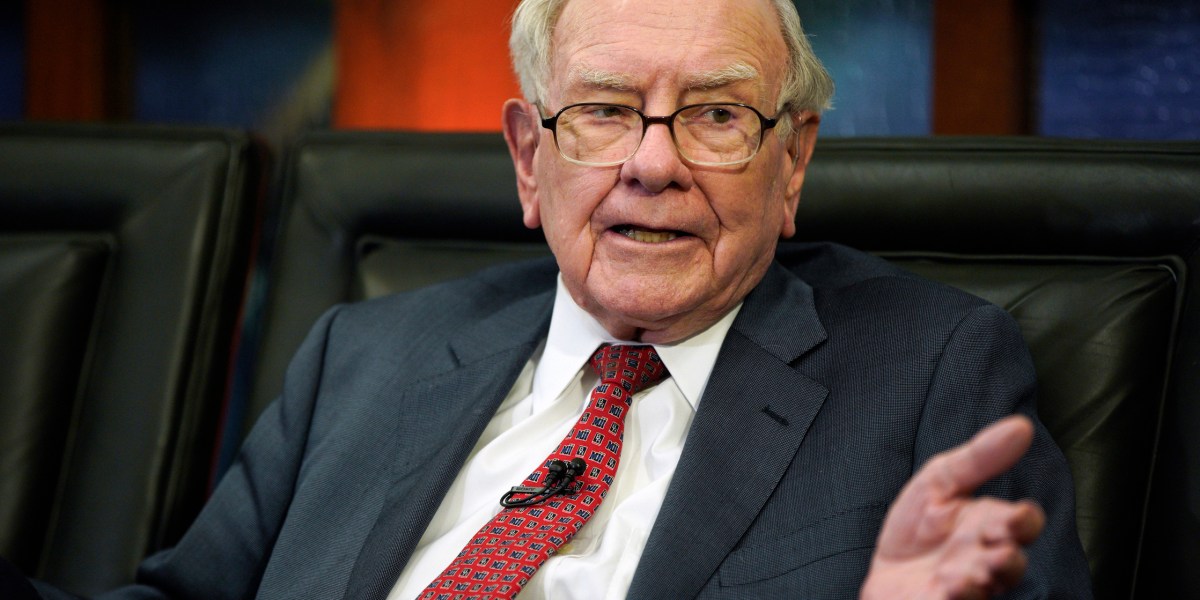
"Our balance sheet is a strategic asset to be deployed at the right time. It allows us to act decisively, invest when others are tentative or fearful, and stand firm when financial storms roll through. This approach ensures Berkshire maintains the financial flexibility necessary to capitalize on opportunities while weathering economic challenges."
"Warren is obviously a very hard act to follow. Abel acknowledged the challenge of succeeding Buffett while demonstrating his commitment to continuity. Investor Adam Mead noted that Abel struck the right tone, suggesting he maintained focus on Buffett's principles throughout the letter-writing process."
"Berkshire will avoid buying any businesses that undermine the fabric of society or could jeopardize Berkshire's reputation. This ethical investment standard reflects the company's commitment to maintaining its standing, though specific applications remain unclear, with analysts questioning whether AI companies might fall under this exclusion."
Greg Abel, Berkshire Hathaway's new leader, paid tribute to Warren Buffett while assuring investors the company will continue its investment strategy without major operational changes. Abel emphasized that Berkshire's $373.3 billion cash reserve represents strategic flexibility rather than disinterest in investments, functioning as "dry powder" to enable decisive action during market opportunities or downturns. He committed to maintaining the company's financial strength and avoiding acquisitions that could damage Berkshire's reputation or undermine society, though specific exclusions remain undefined. Abel acknowledged the difficulty of succeeding Buffett while striking a measured tone focused on providing shareholder-relevant details. The letter highlighted major investments in Apple and American Express, significant gains from Japanese trading house investments, and a $4.5 billion write-down on Kraft Heinz and Occidental Petroleum holdings.
#berkshire-hathaway-leadership #investment-strategy #cash-reserves-and-liquidity #corporate-governance #shareholder-communication
Read at Fortune
Unable to calculate read time
Collection
[
|
...
]