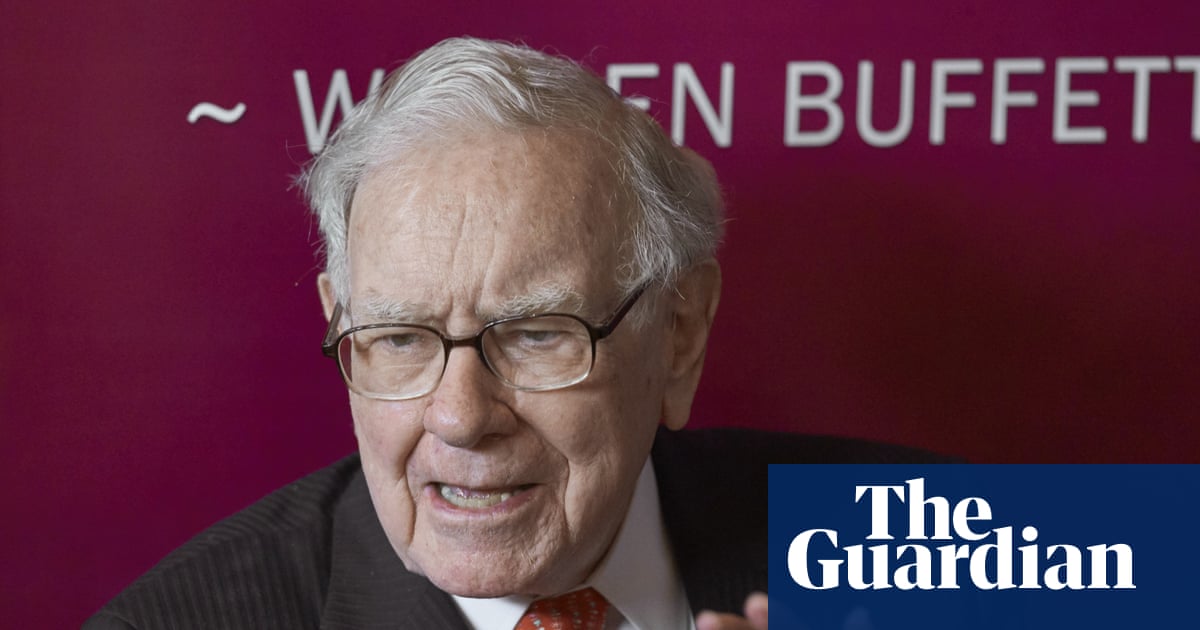
"Warren Buffett, the billionaire investor who is retiring at the end of 2025, has entertained and educated shareholders in his Berkshire Hathaway conglomerate for many years with his pithy annual letters outlining the firm's performance. Every year since 1965 he has updated his investors on the journey as Berkshire morphed from a struggling northern textile business with $25m of shareholder equity when he took over, to an empire worth more than $1tn."
"For capital allocation, the world was his oyster Last year, Buffett described his purchase of Berkshire Hathaway as a mistake, writing: Though the price I paid for Berkshire looked cheap, its business a large northern textile operation was headed for extinction. Cue Buffett's capital allocation strategy, though it took him a while to recognise that he and his team faced no institutional restraints when deploying capital; the only hurdle was their ability to understand the likely future of a possible acquisition."
"A salutary incident in this learning curve was Buffett's decision to pay 272,000 Berkshire shares to buy the reinsurance company General Re in 1998, which he later said was a terrible mistake, adding: My error caused Berkshire shareholders to give far more than they received (a practice that despite the biblical endorsement is far from blessed when you are buying businesses)."
Warren Buffett transformed Berkshire Hathaway from a modest northern textile business with $25m in shareholder equity into a company worth more than $1tn by deploying capital strategically over decades. Buffett embraced unconstrained capital allocation, prioritising purchases of entire high-quality businesses at reasonable prices when available. He learned to prefer paying cash rather than shares for acquisitions after costly equity-financed deals, notably the 1998 General Re purchase that he later called a terrible mistake. The primary barrier to acquisitions was accurate assessment of a target's future prospects rather than institutional limits. Buffett combined taking stakes in excellent listed companies with buying whole businesses.
Read at www.theguardian.com
Unable to calculate read time
Collection
[
|
...
]