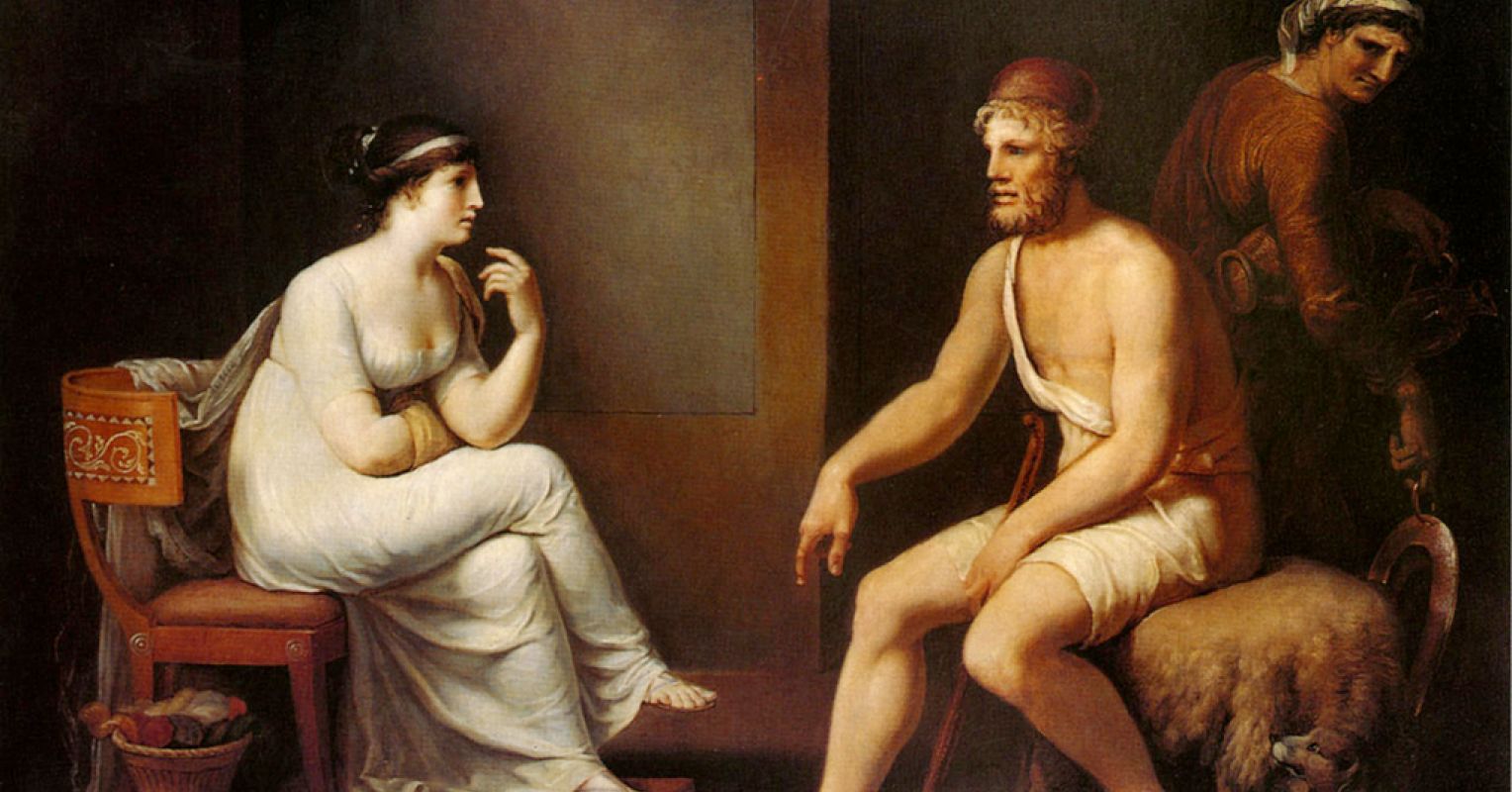
"Proponents of artificial intelligence (AI), and especially individuals with a personal incentive to promote investments in the field, often talk about creating and selling AI products that clients can trust. In so doing, however, they reveal a deep misunderstanding of the nature of trust and what it takes to become trustworthy. To gain truly profound insight into trust, we should look not to Silicon Valley's marketing but to cultural resources that have stood the test of time."
"The Odyssey tells the tale of the profound longing for home of its hero Odysseus, who spent 10 years laying siege to Troy and has sacrificed another decade trying to get back to Ithaca. As one of my teachers pointed out decades ago, The Odyssey is also about the homecoming of his wife, Penelope, who never left the place, yet has also become a stranger to it."
"On his sea voyage home, Odysseus is confronted by numerous terrors, including monsters of the deep, a man-eating giant, a land of forgetfulness, and a hostile god, Poseidon. Yet, seemingly against all odds, he eventually finds his way back to Ithaca, where his dog, his father, his wife, his son whom he last saw as an infant, and a few loyal servants have been hoping against hope for his return, even after so many years. There is nothing he has longed for more."
Trust depends on sustained relationships and social bonds rather than algorithmic probabilities or product features. AI proponents often promise trustworthy products but misunderstand what makes trust possible. Deep cultural resources, especially classic literature, provide richer accounts of trust. Homer's Odyssey exemplifies relational trust through Odysseus's decade-long journey and the strained homecoming of his family. Odysseus confronts monsters, forgetfulness, and a hostile god before returning to Ithaca where loyal figures—his dog, father, wife, son, and servants—await him. Penelope endures suitors and a home degraded by absence, while Telemachus matures without paternal guidance, revealing trust's rootedness in presence and reciprocal commitment.
Read at Psychology Today
Unable to calculate read time
Collection
[
|
...
]