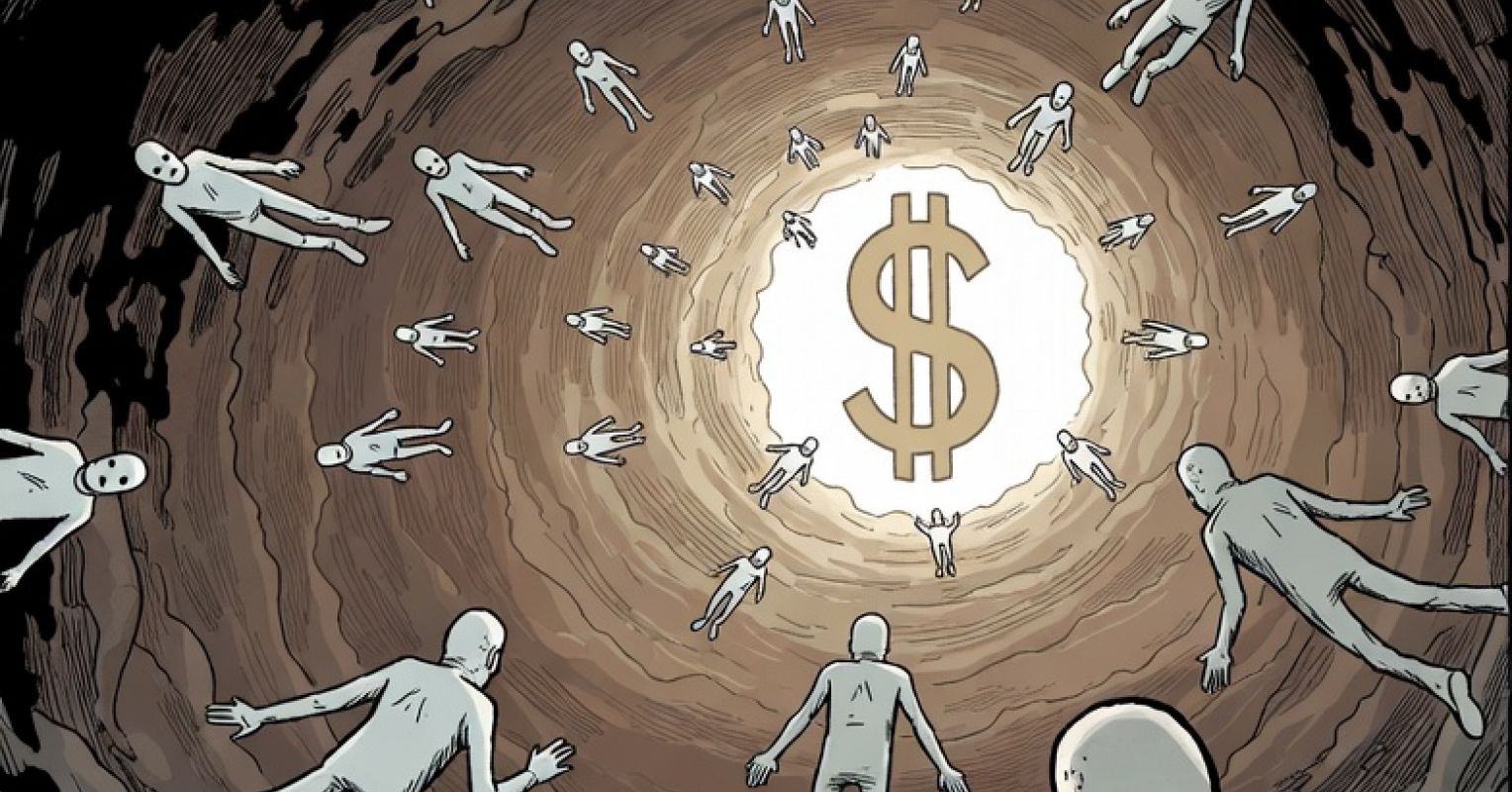
"Several years ago, I was approached to write a popular book on terminal lucidity-a near-death phenomenon in which individuals with severe cognitive impairment experience unexpected moments of clarity and connection shortly before death. Our work in this area, including the first large-scale systematic study of contemporary cases published in Psychology of Consciousness (1), attracted considerable media attention. Shortly thereafter, a major publisher offered a substantial six-figure advance for a trade book on the topic. By any measure, this was serious business."
"I had written more than a dozen books before, some translated into 14 languages, but these were primarily academic works. Trade publishing, I was told, operates differently-according to its own rhythms, expectations, and assumptions about what readers require. Recognizing this, I agreed to my agent's suggestion that I collaborate with an experienced co-author who had worked on bestselling titles in the genre. He would know how to translate my research into an accessible narrative; he knew what sells."
A research team studied terminal lucidity and produced the first large-scale systematic study of contemporary cases, which drew significant media attention. A major trade publisher then offered a substantial six-figure advance for a popular book about the phenomenon. Collaboration with an experienced co-author was intended to translate research into an accessible narrative, but the resulting draft contained confident, sensational descriptions and speculative claims that the researcher never observed. Sensationalized accounts risk exploiting hopes and fears, distorting beliefs about dying, and misguiding decisions when readers are grieving, ill, or facing death. Ethical responsibility is paramount in such publishing.
Read at Psychology Today
Unable to calculate read time
Collection
[
|
...
]