A Ghost in the Throat was written in a car in Cork and used imaginative reconstruction of an 18th-century Irish poet’s life and mind, winning major biography prizes. After further poetry collections, the same focus on the ever-present past led to Said the Dead. The new work centers on a hilltop institution overlooking the River Lee, originally the district asylum, later the Eglinton Lunatic Asylum, then the Cork District Mental Hospital, and finally Our Lady’s Psychiatric Hospital until closing in 1992. The institution’s history reflects colonial rule, poverty, and famine, and the author seeks urgency by reading male and female inpatient records held in city archives.
"Doireann Ni Ghriofa wrote much of her first book of prose, A Ghost in the Throat, sitting in her car on the top floor of a multistorey car park, having dropped her children off at school in Cork city. Whatever works: her imaginative journey into the life and mind of 18th-century Irish poet Eibhlin Dubh Ni Chonaill was so convincing and original that it captivated readers and won the James Tait Black biography prize and, in Ireland, the An Post book of the year award."
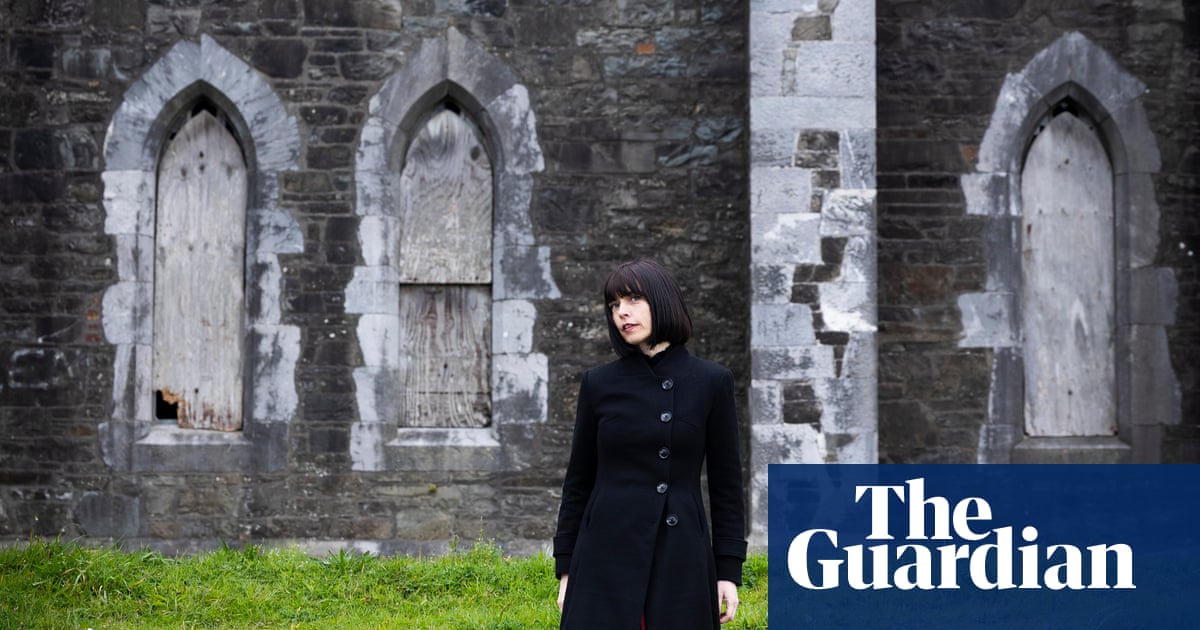
"She returned to her car to work on her new book, Said the Dead. But this time, it was parked in front of a vast building high on a hill overlooking the river Lee, one half of it derelict and the other half transformed into apartments. Its history was long: originally referred to simply as the district asylum at the end of the 18th century, a grand gothic-revival building had been constructed during the 1840s, and named, after Ireland's Lord Lieutenant, the Eglinton Lunatic Asylum."
"Many such institutions existed across Ireland, a patchwork of private and public mental health provision that operated against the backdrop of colonial rule, poverty and famine. If its current inhabitants are aware of its previous history, they are presumably not consumed by thoughts of the souls that lived, and often died, within its expansive and intricately arranged campus. Not so Ni Ghriofa, who was always drawn to it."
"when she discovered that the records of its male and female inpatients were held in the city archives, she booked an appointment to read them and was immediately gripped by a sense of urgency, wanting particularly to know everything abou"
#irish-literature #biography-and-memoir #mental-health-history #archival-research #18th-century-ireland
Read at www.theguardian.com
Unable to calculate read time
Collection
[
|
...
]