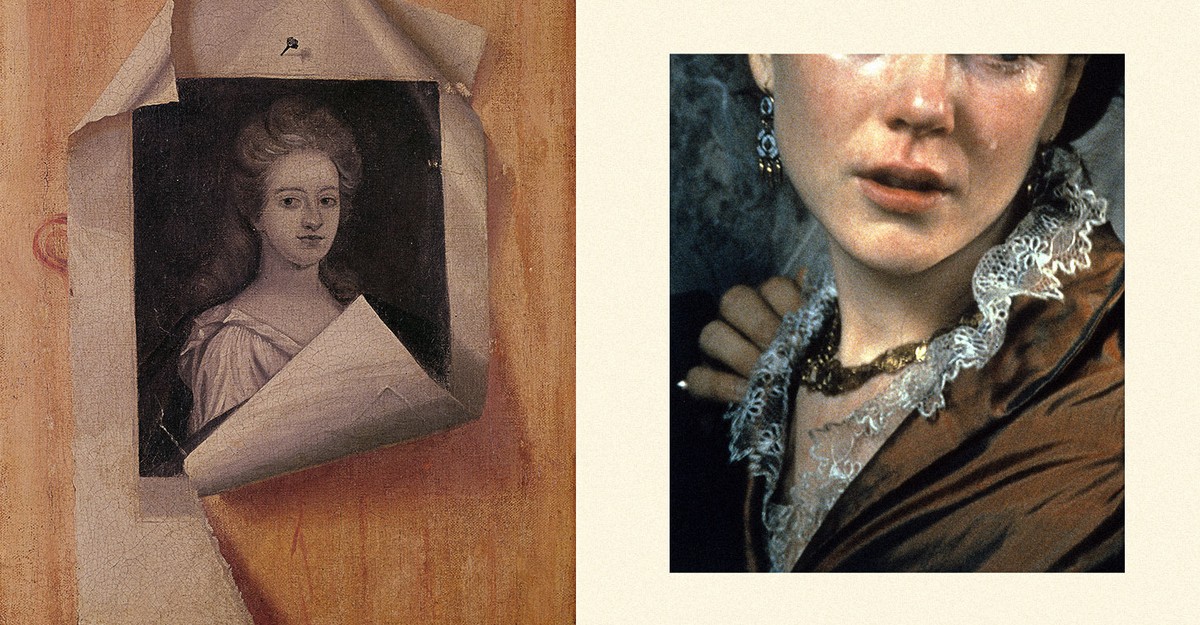
"The professor in one class frequently asked us to put ourselves in the characters' shoes-by asking us, for instance, to contemplate how heavy our heads might be if we, like Henry IV, wore the crown, or to imagine ourselves as Juliet on the balcony."
"people in the past were just like us, with slight tweaks for their choice of hats and standards of personal hygiene."
"We oversimply feelings, Boddice says-they are not nearly as universal as we think they are; even emotions such as happiness, sadness, anger, and disgust may not have existed in the same way for people who lived a few centuries ago that they do for us."
Two contrasting methods of reading classic fiction exist: empathetic role-play that asks readers to imagine characters' physical and emotional states, and historicist attention to cultural difference that treats past actions as shaped by different values. Rob Boddice argues that emotional experiences are not as universal as commonly assumed. Emotional categories such as happiness, sadness, anger, and disgust have shifted over centuries, so identical events could provoke delight in one era and revulsion decades later. Individual reactions, such as a medieval carpenter's response to pain, could reflect theological, medical, and social frameworks alien to modern sensibilities. The tension raises questions about the limits of empathy in interpreting the past.
Read at The Atlantic
Unable to calculate read time
Collection
[
|
...
]