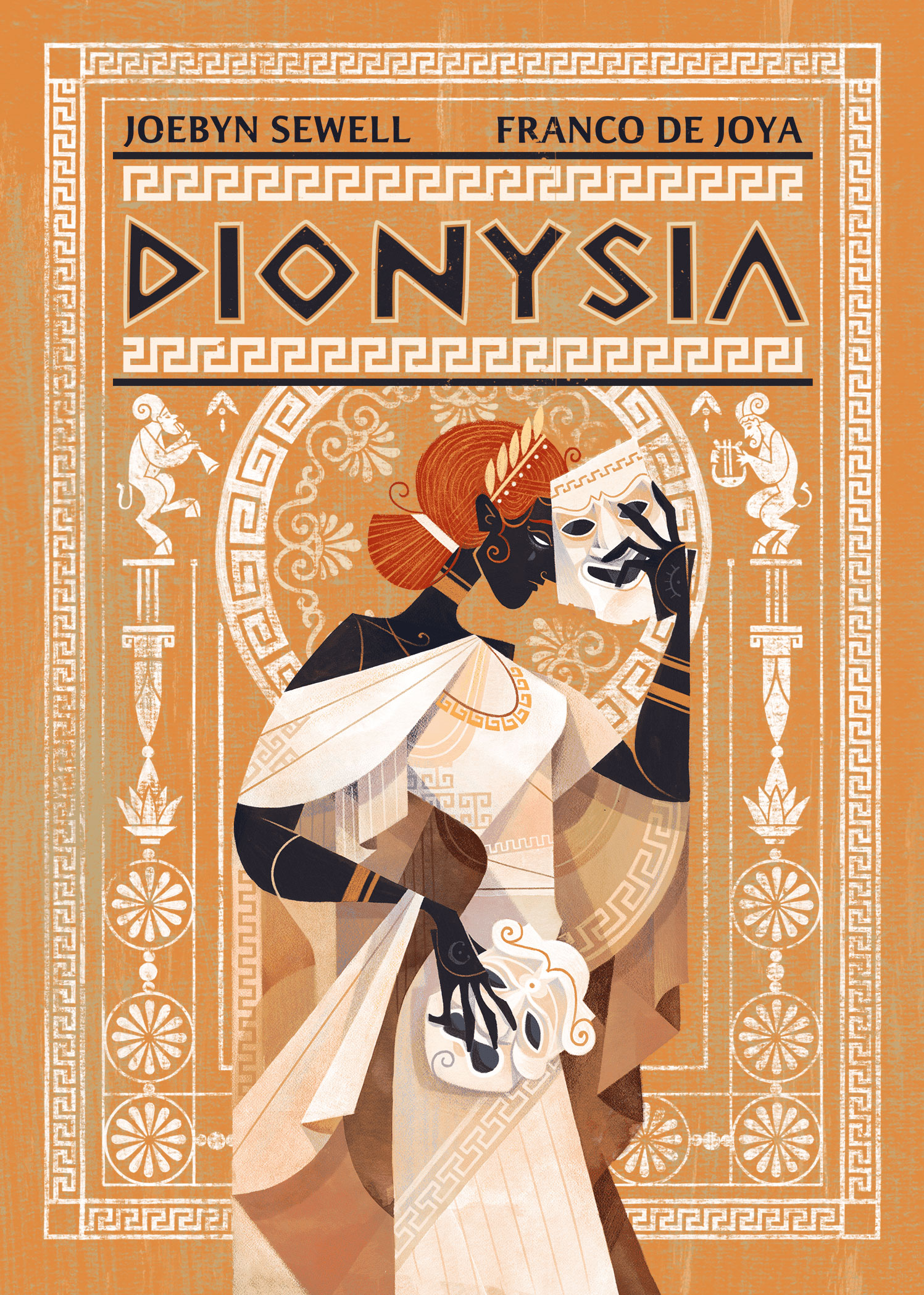
Players compete to create the most impressive three-act play by drafting scene cards from a shared market. Each turn, a player selects one available card and places it into one of three acts in their tableau, with each act holding up to three scenes. Scenes can be stacked in different positions, including placing new scenes on top, below, or starting a new incomplete scene. After all nine scenes are placed, players form a 6×3 grid of icon elements. Key scenes at the top of each act specify desired three-icon patterns, which can score multiple times across acts in vertical, horizontal, and overlapping alignments. Many key scenes also provide additional end-game scoring goals.
"To set up, shuffle the 18-card deck and create a market of 3 face-up cards plus a draw deck. Each card represents a scene, and on their turn, a player will select from those available and add it to an act in their personal theatrical tableau. Each of 3 acts in a player's tableau can contain up to 3 scenes. The first scene played is by default to the "top" of its act. Subsequent scenes can be placed on top of the existing scene, below it, or as part of a new scene (that hasn't been completed)."
"The goal in arranging the 9 scenes that will ultimately make up your 3-act play is largely an abstract puzzle, as each scene contains 2 theatrical elements at the bottom, depicted as icons. Once all 9 of your scenes are laid out, you'll have a 6×3 grid of these icons. The top card (key scene) of each act describes a 3-icon pattern desired for scoring, and these patterns can exist across all three acts, both vertically, horizontally, and overlapping, potentially scoring multiple times each."
"Additionally, most of the key scenes contain a separate end-game scoring condition worth a certain number of points if achieved. Once all 18 cards have been claimed between 2 players, the plays are score"
Read at Board Game Quest
Unable to calculate read time
Collection
[
|
...
]