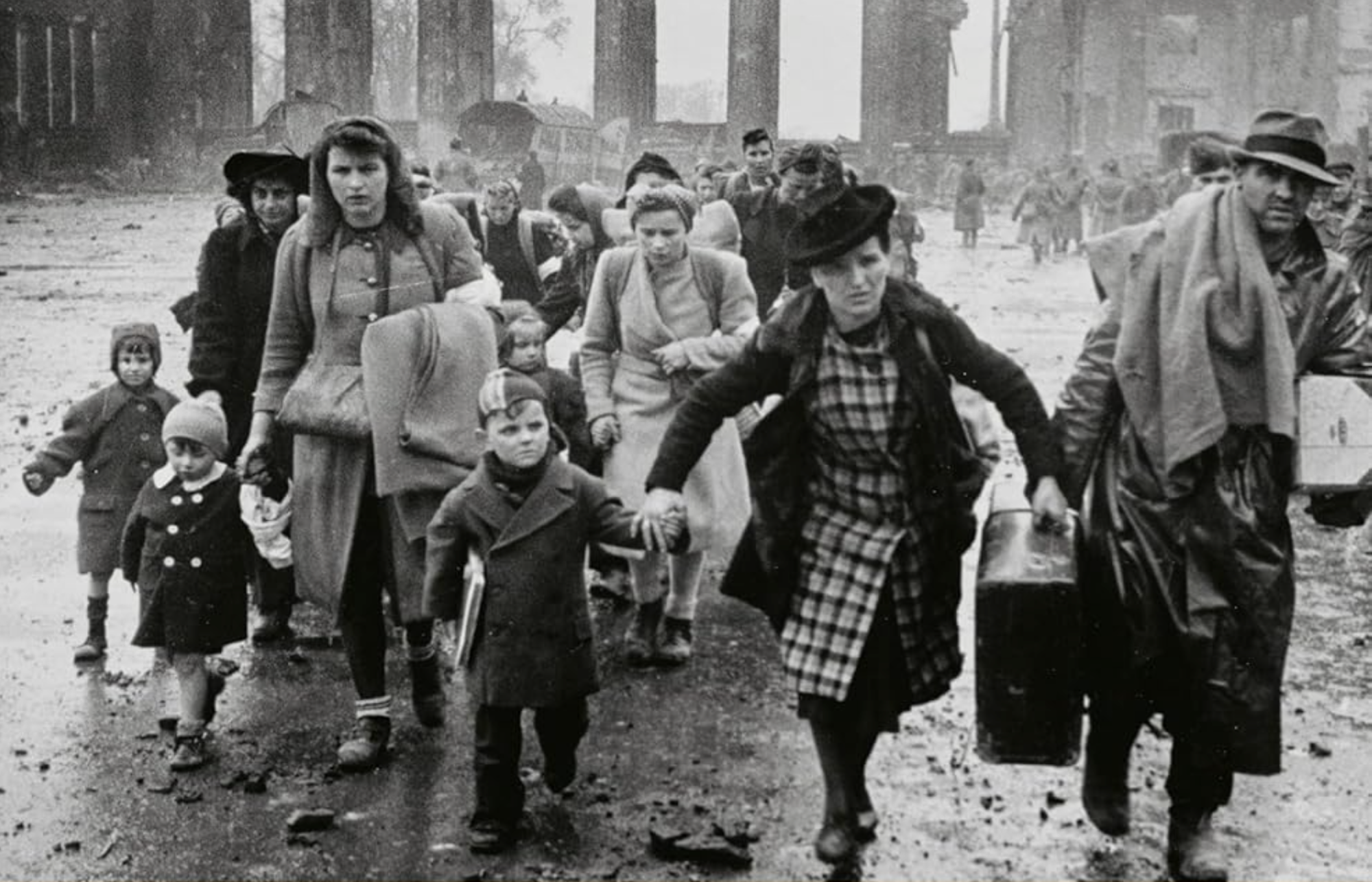
"You can't live in a dirty system without somehow being corrupted. Whether you were a famous symphony conductor or a cop on the beat, Nazism tainted virtually everyone, forcing people to do and say abhorrent things they often didn't believe in, and weakening their moral compass."
"Most Berliners - and even Buruma's own father - did their jobs, took their pleasures and preferred not to think about the evils under their noses. This is disturbing but should not surprise anyone. Human beings adapt, carry on, turn away from things they don't wish to see or hear."
"If the book has a hero, it's probably Ruth Andreas-Friedrich, a journalist who didn't turn away. Along with her partner, the conductor Leo Bor."
The book portrays the experiences of ordinary Germans during the Nazi regime, highlighting their struggles with air raid drills, food shortages, and pervasive rumors. It features intriguing characters and anecdotes, such as a family training a parrot to deceive Nazis and filmmakers avoiding conscription. The narrative reveals the moral corruption faced by individuals in a totalitarian system and the ease of complicity among the populace. Ruth Andreas-Friedrich emerges as a key figure, representing those who resisted and sought to expose the regime's atrocities.
Read at Kqed
Unable to calculate read time
Collection
[
|
...
]