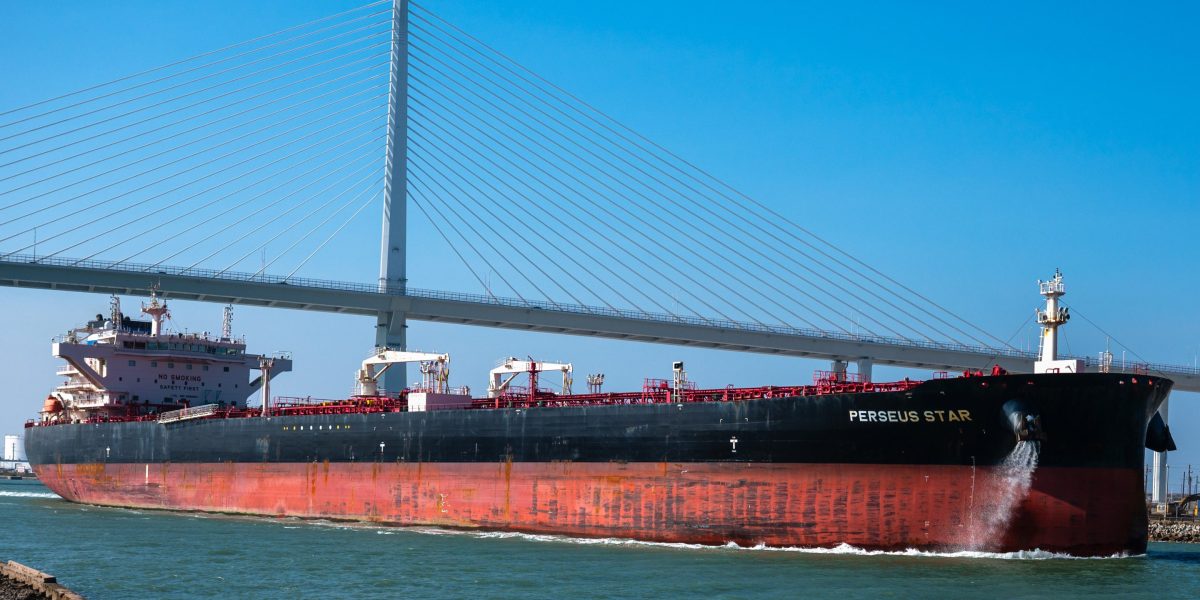
"A long line of the largest oil tankers (very large crude carriers, or VLCCs) trekked to the Texas Gulf Coast beginning in April because of the lack of supplies from the Middle East. But the massive tankers, which can each hold 2 million barrels of oil, can only partially fill up at Texas ports because of the shallower depths. They must be topped off in the Gulf of Mexico via smaller tankers-a more time-consuming, expensive, and environmentally risky process."
"The U.S. Commerce Department said the Japan-U.S. strategic Investment agreement will provide an estimated $2.1 billion to the project-the details are undisclosed-which was the originally announced cost of Texas GulfLink. Commerce Secretary Howard Lutnick said in a statement that the project will "reinforce America's position as the world's leading energy supplier.""
"The unusual government investment for Sentinel Midstream's multibillion-dollar Texas GulfLink deepwater terminal is a bet on expanding U.S. energy infrastructure-and keeping Japan supplied with oil-at a time when U.S. energy developers are unwilling to take on the financial risks without long-term commercial contracts in hand."
""I do think there's going to be a shifting of how people view the Middle East as far as a reliable source of energy," Rumsey said. "That is one of the biggest drivers for why this is being pushed to get built.""
U.S. petroleum exports are reaching record highs as the Iran war disrupts Middle East supply. Sentinel Midstream plans to build the Texas GulfLink deepwater terminal in the Gulf of Mexico, supported by funding from the Trump administration and Japan. The U.S. Commerce Department estimates Japan-U.S. strategic investment will provide about $2.1 billion, with undisclosed details. The project aims to reinforce U.S. leadership as an energy supplier and to keep Japan supplied with oil. Large VLCC tankers have been traveling to the Texas Gulf Coast due to limited Middle East availability, but they cannot fully load at shallower ports, requiring additional transfers in the Gulf. The terminal is expected to be completed in late 2028.
#us-petroleum-exports #oil-infrastructure #gulf-of-mexico-shipping #us-japan-energy-investment #iran-war-impact
Read at Fortune
Unable to calculate read time
Collection
[
|
...
]