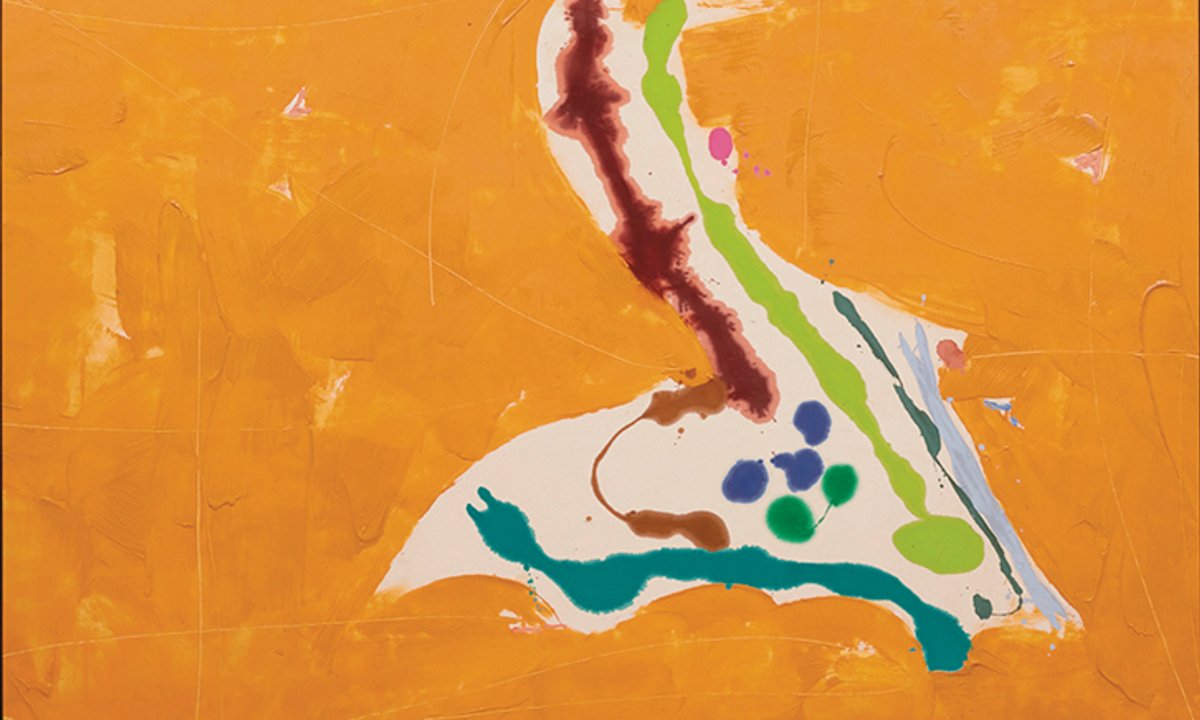
"Wary of being labelled, many Asian Americans once believed that the safest way to enter the art world was by making their identities invisible. But invisibility is fragile. After the Immigration and Nationality Act of 1965-which abolished the discriminatory national quotas that had defined US immigration policy since the 1920s-many Asian artists arrived in New York and entered an art world already defined by hierarchy. For decades thereafter, downplaying identity could feel like survival. But what we try to sidestep is never separate from us."
"What is most striking about these works is not what was painted but what was withheld. There is no shared style or manifesto. What emerges instead is a disciplined negotiation with space. It is difficult not to think of liubai (留白)-the principle in Chinese ink painting that treats white space as active, where what remains unpainted suggests sky, mist or breath. The void holds the composition rather than receding from it."
"In Barbara Takenaga's Hovenweep (2016), white marks scatter across a black field as if the surface were expanding in real time. Growing up Japanese American in what she calls "a pretty white community" in Nebraska, the artist remembers that "fitting in was an issue". She rarely thought of "Asianness" in her work. "In hindsight, you can't really take it out of a person," she adds. What endures is not symbolism but structure, an attraction to positive-negative reversals, asymmetry, flatness."
After the 1965 Immigration and Nationality Act removed discriminatory national quotas, many East Asian artists arrived in New York and entered an art world structured by hierarchy. For decades, downplaying identity felt like survival, but identity could not be separated from lived experience. An exhibition titled How Asian Is It? presents twelve pioneering East Asian American abstractionists born between 1928 and 1955, including immigrants and artists born in the United States. The works share no single style or manifesto, instead showing disciplined negotiation with space and the active role of unpainted or withheld areas. Artists use positive-negative reversals, asymmetry, flatness, and structural choices that keep identity present without relying on overt symbolism.
#asian-american-art #abstraction #identity-and-representation #immigration-history #chinese-ink-painting-liubai
Read at The Art Newspaper - International art news and events
Unable to calculate read time
Collection
[
|
...
]