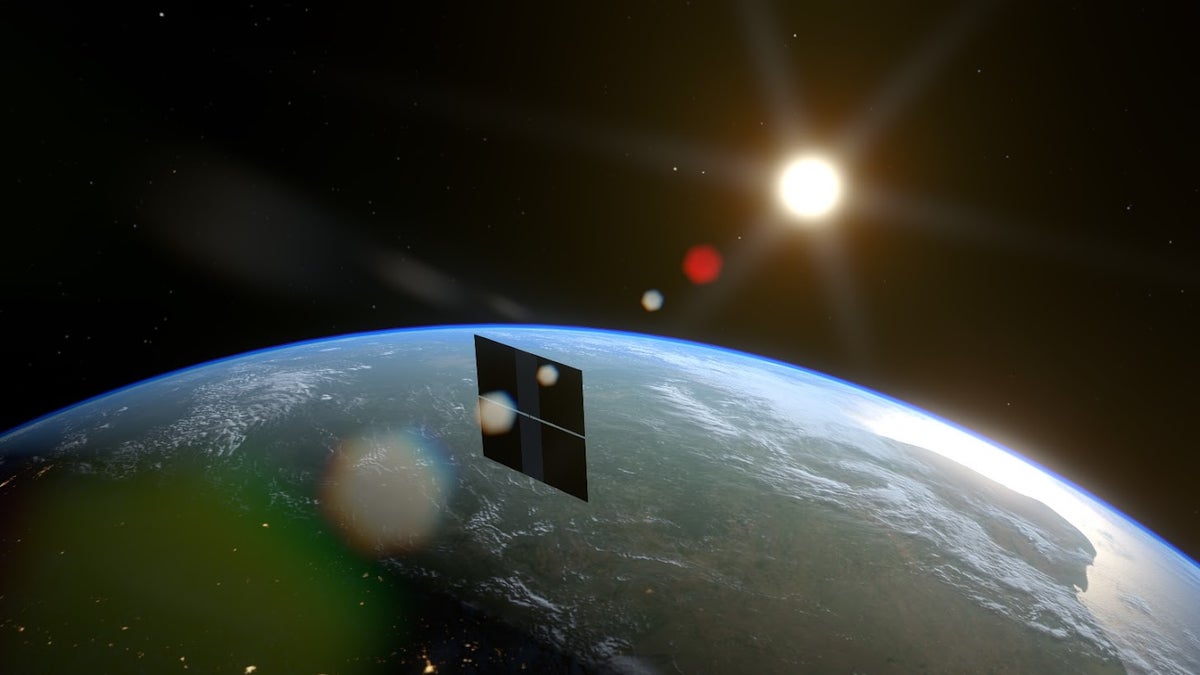
"Data centers will account for nearly half of U.S. electricity demand growth between now and 2030, and their global power requirements could double by the end of this decade as companies train larger AI models. Local officials have begun to balk at approving new server farms that swallow land, strain power grids and gulp cooling water. Some tech executives now talk about putting servers in space as a way to escape those permitting fights."
"But such orbital data centers will not become cost-effective unless rocket launch costs decline substantiallyand independent experts warn they could end up with even bigger environmental and climate effects than their earthly counterparts. In early November Google announced Project Suncatcher, which aims to launch solar-powered satellite constellations carrying its specialty AI chips, with a demonstration mission planned for 2027. Around the same time,"
AI expansion is driving dramatic growth in data-center electricity demand, with U.S. data centers projected to account for nearly half of national electricity demand growth by 2030 and global power needs possibly doubling by decade's end. Municipal resistance to new server farms is increasing because of land use, grid strain and large cooling-water requirements. Companies and governments are pursuing orbital data-center concepts powered by continuous solar energy to avoid terrestrial constraints. Those concepts face economic hurdles from high launch costs and potential larger environmental and climate impacts. Several projects and nations are already testing or planning space-based computing initiatives.
Read at www.scientificamerican.com
Unable to calculate read time
Collection
[
|
...
]