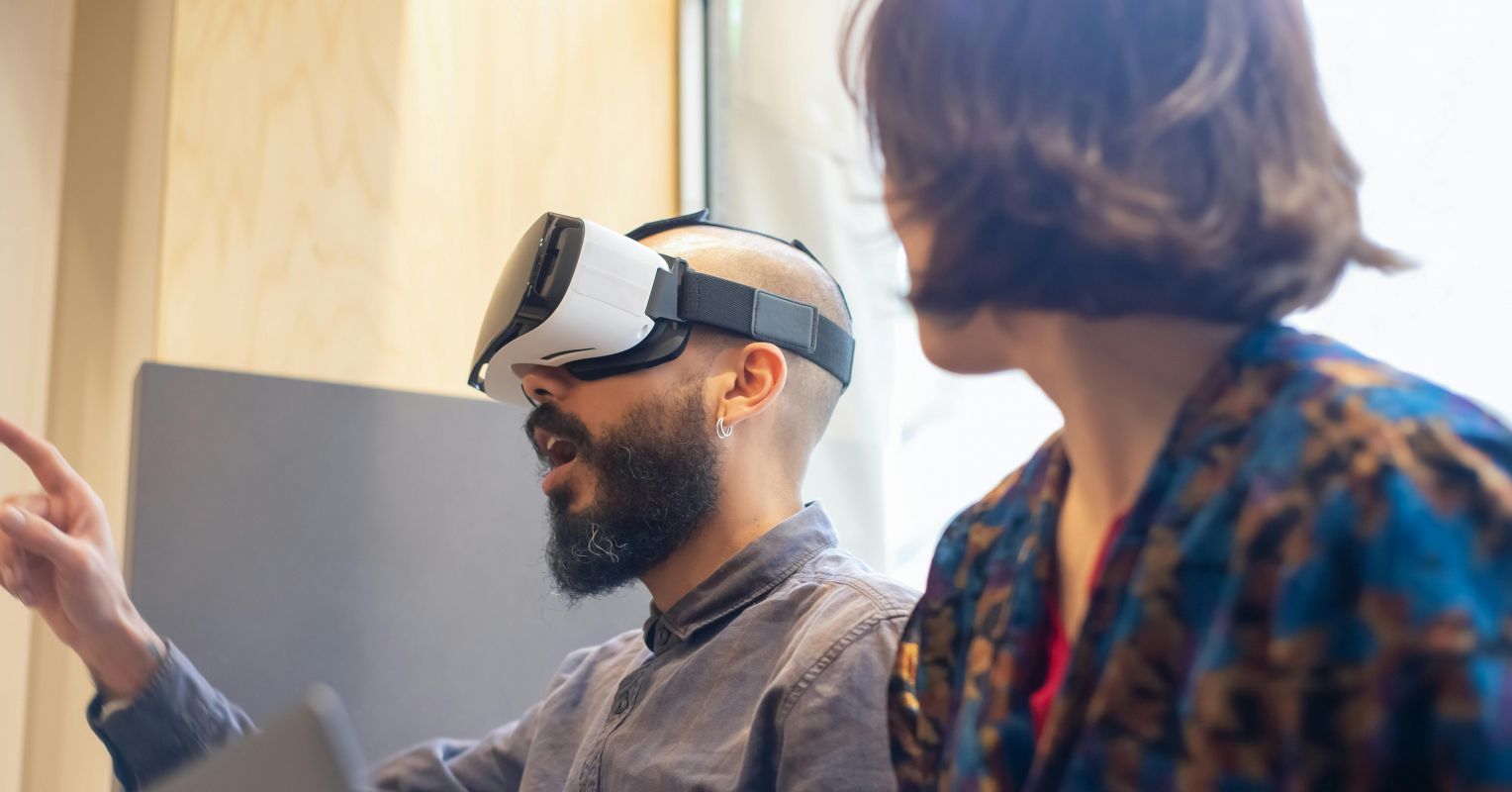
"Mixed reality lets people collaborate in shared digital spaces layered onto the physical world, but the very flexibility that makes these systems powerful also raises the question of what happens when people in the same physical environment are not seeing the same reality?"
"Human communication depends on something we may take for granted: common ground. When we talk, gesture, or point, we assume others perceive the same environment we do. This shared perception lets us coordinate actions, solve problems, and tell stories together. In mixed reality, that assumption gets more complicated."
"Unlike virtual reality, which replaces the entire environment, mixed reality overlays digital content onto the physical world. Two people may stand in the same room and look at the same table, yet the virtual objects on the table may appear differently to each person."
Mixed reality blends physical environments with digital objects, enabling collaborative work in shared spaces. However, when people in the same physical location perceive different digital content, perceptual conflicts arise. Research demonstrates that these conflicts reduce synchrony between collaborators and increase cognitive load. While trust between individuals remains intact, confidence in decisions made together diminishes significantly. The core challenge stems from the assumption of shared perception that underlies human communication and coordination. Designing effective mixed reality systems requires maintaining the integrity of shared reality that collaboration fundamentally depends upon, preventing situations where participants see incompatible versions of the same environment.
#mixed-reality-collaboration #shared-perception #perceptual-conflicts #common-ground #human-computer-interaction
Read at Psychology Today
Unable to calculate read time
Collection
[
|
...
]