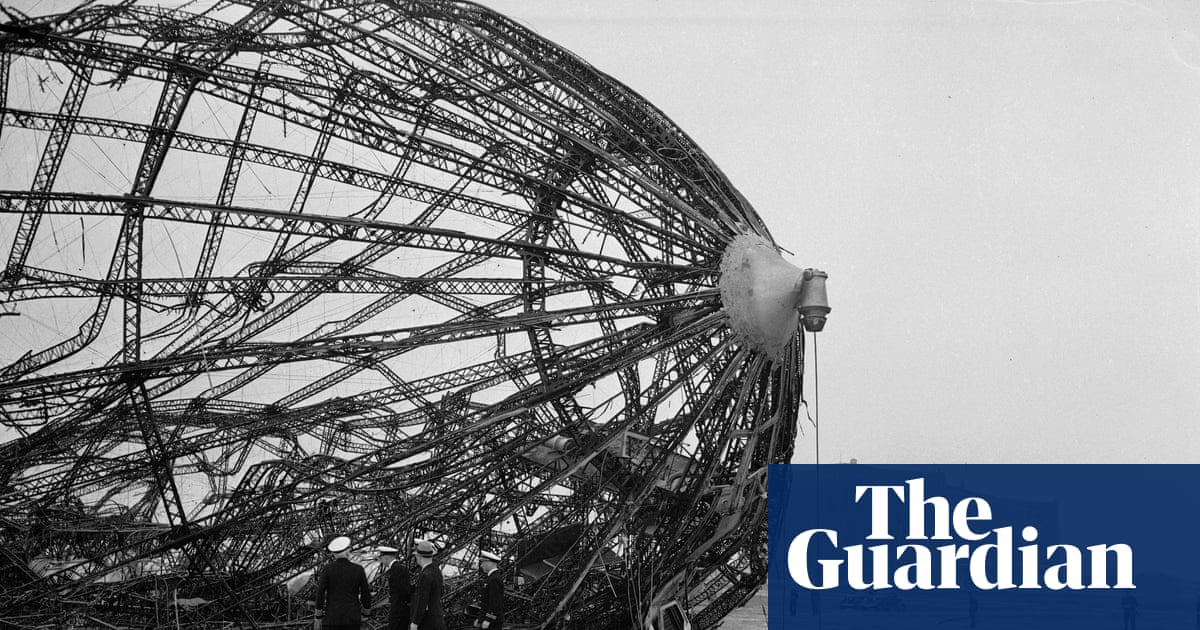
"The race to get artificial intelligence to market has raised the risk of a Hindenburg-style disaster that shatters global confidence in the technology, a leading researcher has warned. Michael Wooldridge, a professor of AI at Oxford University, said the danger arose from the immense commercial pressures that technology firms were under to release new AI tools, with companies desperate to win customers before the products' capabilities and potential flaws are fully understood."
"The Hindenburg, a 245-metre airship that made round trips across the Atlantic, was preparing to land in New Jersey in 1937 when it burst into flames, killing 36 crew, passengers and ground staff. The inferno was caused by a spark that ignited the 200,000 cubic metres of hydrogen that kept the airship aloft. The Hindenburg disaster destroyed global interest in airships; it was a dead technology from that point on, and a similar moment is a real risk for AI, Wooldridge said."
Immense commercial pressure is driving rapid deployment of AI tools before their capabilities and flaws are fully understood. Guardrails on AI chatbots are often easily bypassed, indicating commercial incentives are being prioritised over cautious development and rigorous safety testing. AI is embedded across many critical systems, so a major incident could affect transportation, aviation, finance, or other sectors and erode global confidence. Plausible scenarios include a deadly software update for self-driving cars, an AI-powered cyberattack grounding airlines, or a Barings-style corporate collapse triggered by AI malfunction. A sudden, high-profile failure could make AI widely distrusted and stall adoption.
Read at www.theguardian.com
Unable to calculate read time
Collection
[
|
...
]