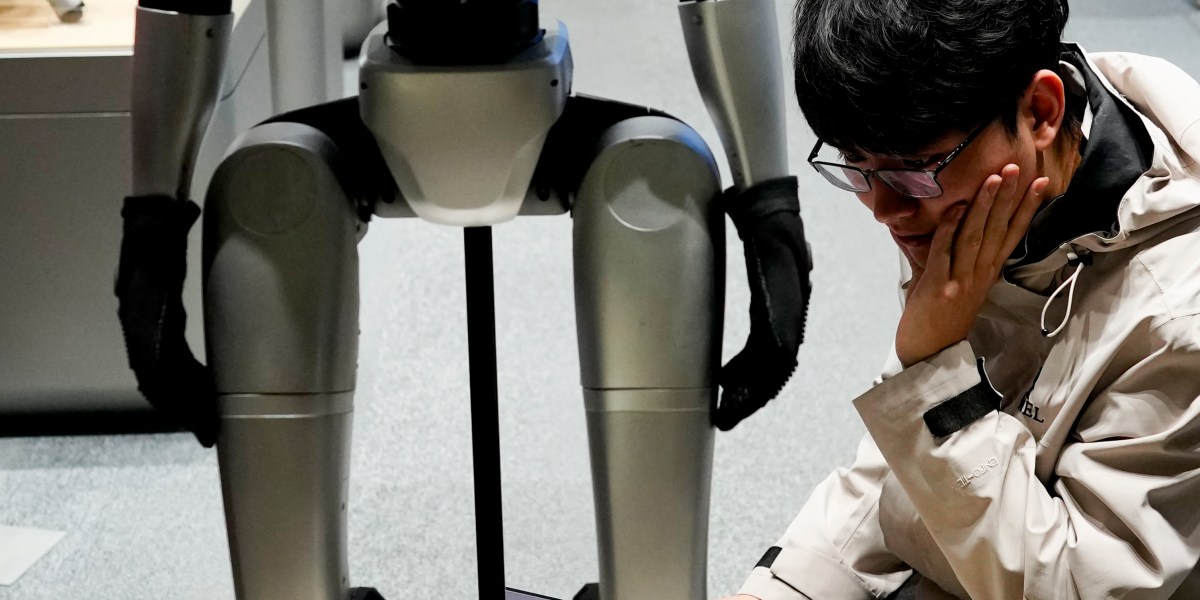
"The robot revolution won't be driven by novelty. It will be driven by need. BofA analysts Lynelle Huskey and Vanessa Cook identified aging workforces, persistent labor shortages, wage inflation, and high employee turnover as the structural forces making humanoid labor economically attractive-and they stress that this will be true even before humanoids fully match human ability."
"You don't need a perfect robot. You need one that shows up, doesn't quit, and costs less than the workers you can't find. That pressure is global. In Japan, Germany, and South Korea, shrinking working-age populations have already strained manufacturing and services for years."
"BofA Global Research projects that the global humanoid robot population will reach 3 billion units by 2060-surpassing the world's roughly 1.5 billion cars on a per-capita basis. By that point, the bank estimates 62% of all humanoid robots, or roughly 2 billion units, will be deployed inside people's homes."
Bank of America projects the global humanoid robot population will reach 3 billion units by 2060, with approximately 2 billion deployed in homes. This growth is driven by demographic necessity rather than science fiction appeal. Aging workforces, labor shortages, wage inflation, and high employee turnover create economic incentives for humanoid adoption. Robots need not achieve perfect human capability; they must simply be reliable, cost-effective alternatives to unavailable workers. This pressure is global, affecting Japan, Germany, South Korea, and the United States. Initial deployment will concentrate in warehousing and manufacturing before expanding to residential settings. Industry consensus indicates humanoid adoption is inevitable, with debate focused only on timeline.
Read at Fortune
Unable to calculate read time
Collection
[
|
...
]