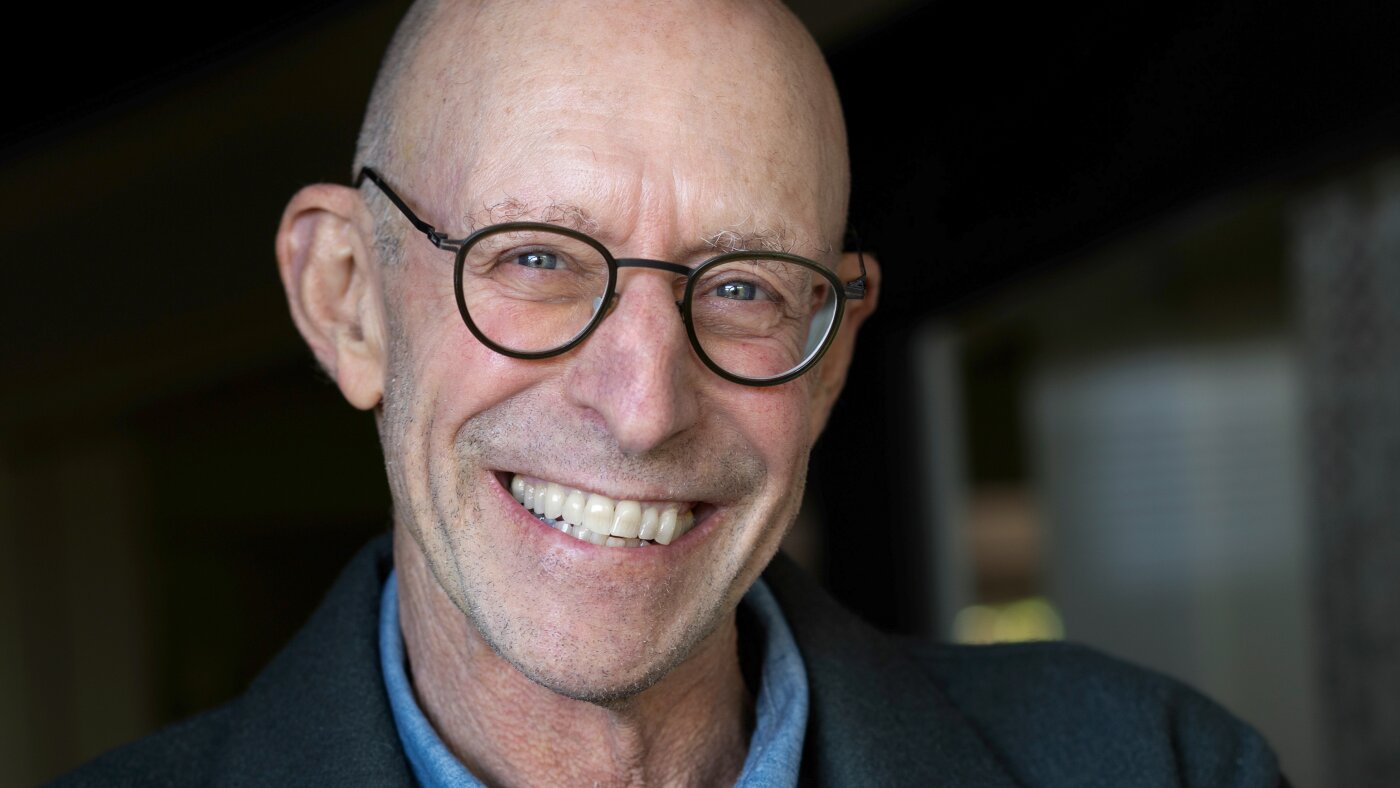
""There's nothing any of us know with more certainty than the fact that we are conscious. It's immediately available to us. It's the voice in our head," he says."
""How does three pounds of this tofu-like substance between your ears generate subjective experience? Nobody knows the answer to that question.""
""They base this on a premise ... that basically the brain is a computer, and that consciousness is software," he says. "And if you can run it on the brain, which is essentially, in their view, a 'meat-based computer,' you should be able to run it on other kinds of machines.""
""If you think about it, your feelings are very tied to your vulnerability, to your having a body that can be hurt, to the ability to suffer and perhaps your mortality," he says. "So I think that any feelings that a chatbot reports will be weightless, meaningless, because they don't have bodies. They can't suffer.""
Consciousness is immediately available as subjective experience, yet its emergence from the brain remains unexplained. Therapeutic use of psychedelics can alter consciousness and prompt questions about its nature. Some people claim the brain is essentially a computer and that consciousness functions like software, implying that machines could host conscious minds. Computers can simulate thought, but genuine thought depends on feeling rooted in bodily vulnerability, the capacity to suffer, and mortality. Reported feelings from disembodied chatbots lack the weight and meaning that arise from embodiment. Extending moral concern to chatbots appears striking given unmet moral obligations to many humans and animals.
Read at www.npr.org
Unable to calculate read time
Collection
[
|
...
]