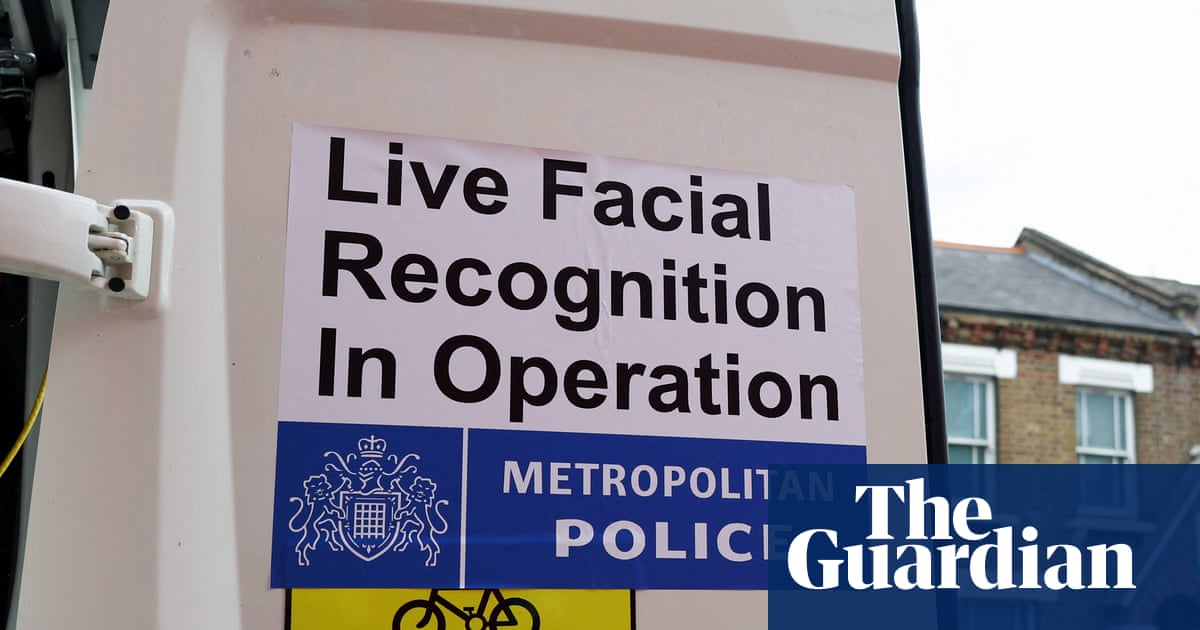
A funding gap is pushing UK police forces to adopt AI to handle growing volumes of digital evidence. The Metropolitan Police seeks to use Palantir systems to analyze human intelligence reports, emails, phone records, and other data sources. Similar AI adoption is occurring across other public services, including hospitals, schools, and town halls. Police leaders view AI as a plausible substitute for some human work and as a growing part of national security operations. Concerns remain about confidentiality, vulnerable populations, procurement compliance, and public money supporting controversial companies. Government efforts to scale police AI are complicated by limited internal AI capability and public and political resistance to external vendors.
"The row over whether the controversial US AI company Palantir should be paid 50m to help the Metropolitan police hits to the heart of how public services will be delivered in the coming years. A similar dynamic is playing out in hospitals, schools and town halls, but right now police chiefs are turning to AI to escape a fiscal bind. The UK's largest police force is shrinking; a 125m funding shortfall means it faces cutting 1,150 posts."
"Scotland Yard wants to use AI to deploy Palantir's systems to comb through human intelligence reports, email caches, phone records and the rest of the torrent of digital evidence trail left by 21st century crime. The implication is clear AI is now seen as a plausible alternative for at least some human labour in policing and is on its way to becoming a mainstay of the national security apparatus."
"Human police officers deal with some of society's most vulnerable people, and also some of the most confidential data and sources. The police want AI to do it too. Scotland Yard is not an outlier in looking at AI. Forces such as Bedfordshire and Leicestershire have used Palantir tech."
"Despite trying to keep out of the Palantir row by calling it an operational matter for the Met and Mayor of London, the Home Office is setting the pace. Shabana Mahmood, the home secretary, in January called for police to ramp up use of AI and to adopt the technology at pace and scale. Labour has set up a national centre called Police AI and is deploying AI as an agent of efficiency in the NHS, the military and the justice system, but the problem is this: the government doesn't have its own AI systems and the companies that could help are increasingly controversial with the public and politicians."
Read at www.theguardian.com
Unable to calculate read time
Collection
[
|
...
]