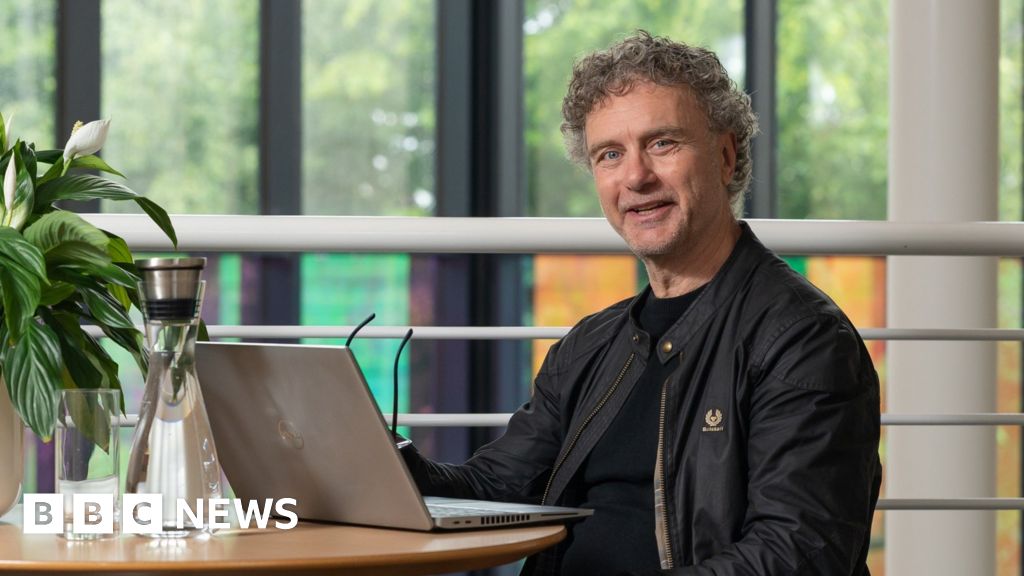
"It's my first job interview in more than eight years. Even though it's a video interview, I'm still keen to impress. When I log on, my interviewer, whose name I didn't catch, looks relaxed and friendly. He asks carefully articulated questions, listens intently, and even asks follow ups regarding particular examples I mention. But then, strange things start happening. He takes a while to process what I'm saying, and his facial expression remains unchanged."
"When it works, the point of using AI video interviews is to relieve the burden on companies' HR teams, who are being inundated with applications since the UK jobs market hit an all-time low. The number of vacancies available are down 12% compared with this time last year, according to the Office for National Statistics, causing the number of applications per role to rise by 65%, according to data from recruitment platform Tribepad."
A candidate experienced an AI video interviewer that initially appeared relaxed, asked follow-up questions, then slowed processing, kept a neutral facial expression, and disconnected mid-question. Employers deploy AI video interviews to reduce HR workload as candidate volumes rise amid a tightening UK jobs market, where vacancies fell 12% year-on-year and applications per role rose 65%. Test Gorilla acknowledged a rare glitch affecting a very small number of candidates and said affected applicants could report issues via an on-screen help widget to receive a new assessment link. Recruiters use AI interview scores to prioritise the top candidates to interview.
Read at www.bbc.com
Unable to calculate read time
Collection
[
|
...
]