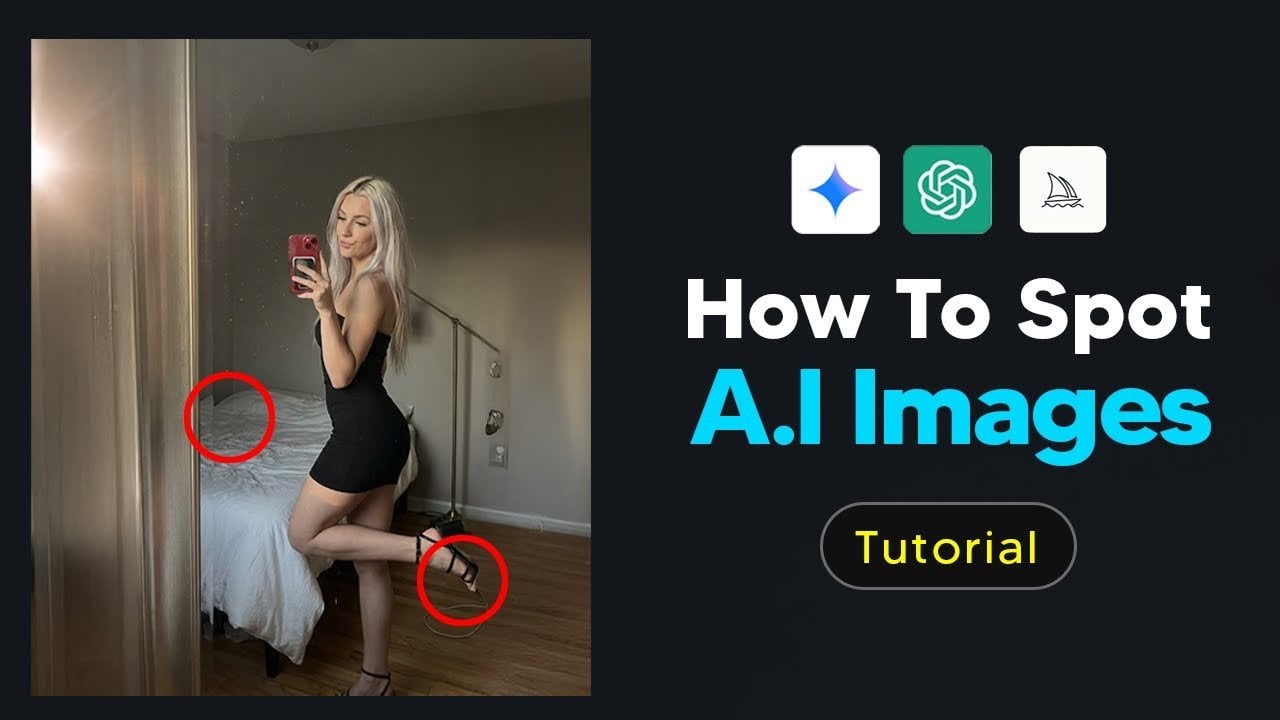
"As AI-generated images grow more advanced, distinguishing between authentic visuals and artificial creations has become increasingly challenging. From stunningly realistic portraits to intricate landscapes, these images are designed to fool even the most discerning viewers. TheAIGRID takes a closer look at how you can confidently identify AI-generated visuals in today's digital age. Whether you're a journalist verifying content, a marketer safeguarding your brand, or simply someone navigating the internet, this how-to guide will help you stay informed and alert."
"Google Synth ID uses invisible watermarking technology to detect AI-generated images with high accuracy, even after modifications like cropping or compression. Content Credentials relies on metadata tracking to verify image authenticity but may face challenges with altered or stripped metadata in edited files. Hive AI provides an advanced image analysis API that assigns confidence scores for detecting AI-generated content, though it may struggle with low-resolution or cropped images."
AI-generated images are becoming highly realistic, making it difficult to distinguish fabricated visuals from authentic photographs. Invisible watermarking such as Google Synth ID can detect AI-generated images with high accuracy and can survive edits like cropping or compression. Metadata-based approaches like Content Credentials track provenance but can be undermined by altered or stripped metadata. Automated analysis services such as Hive AI assign confidence scores but may falter on low-resolution or cropped images. Reverse image search helps trace origins and serves as a starting point for verification. Manual inspection of inconsistencies complements technical tools and strengthens overall detection.
Read at Geeky Gadgets
Unable to calculate read time
Collection
[
|
...
]