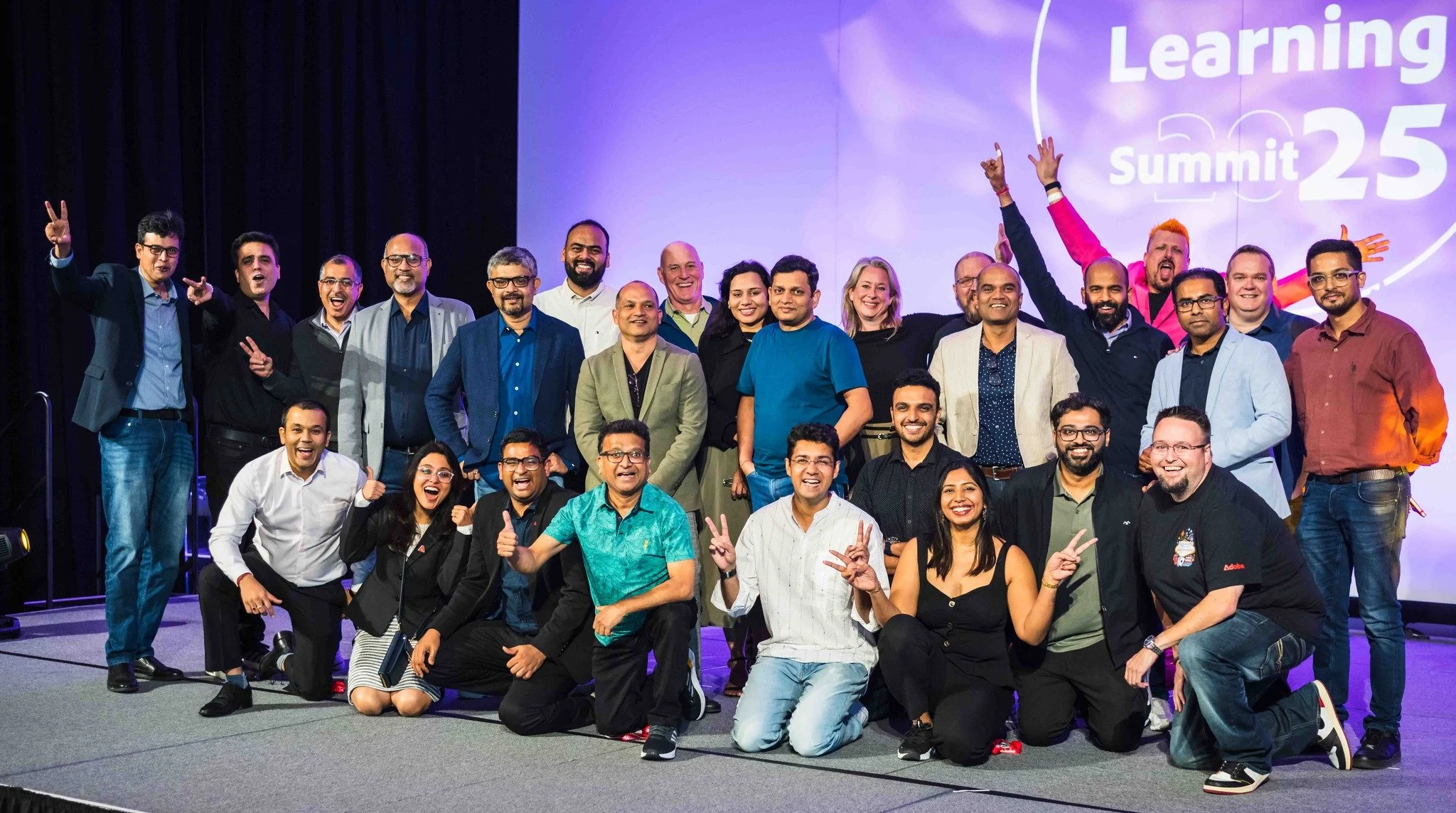
"In its earlier years, the Adobe Learning Summit felt very much like a traditional user conference. The focus was squarely on tools, especially Captivate. Sessions went deep into features, workflows, and practical techniques for building eLearning. For instructional designers and developers who work hands-on with authoring tools every day, this was incredibly valuable. The Summit was a place to sharpen skills and learn about new developments and upcoming initiatives."
"Over time, though, the conversation began to widen. Captivate didn't disappear-far from it-but it became part of a larger narrative about learning ecosystems rather than the whole story. Sessions increasingly explored how learning fits into performance, analytics, and organizational goals. The question shifted from how to build content to why that content exists and how it supports real outcomes. Learning stopped being treated as a standalone activity and became a strategic function."
"Along with that shift came a noticeable change in tone. Earlier Summits leaned heavily into demonstrations and how-to sessions. Today, there's a stronger emphasis on impact. Discussions revolve around effectiveness, scale, and value - not just whether something can be built, but whether it actually makes a difference. The audience has grown beyond developers to include learning leaders, consultants, and decision-makers who care as much about results as they do about tools."
"One of the clearest markers of this evolution has been the rise of artificial intelligence as a central theme. In the past, efficiency was often talked about in general terms. Now, AI sits at the heart of the Summit's messaging. It's presented as a practical response to the pressures learning teams face every day: tighter timelines, higher expectations, and the need to personalize learning without exploding budgets or workloads. The conversation isn't about replacing people. It's about amplifying human judgment with AI-assisted speed and consistency."
Early Summits concentrated on hands-on tool training, especially Captivate, with deep sessions on features, workflows, and practical eLearning techniques. Over time the focus broadened to position learning within organizational ecosystems, connecting content to performance, analytics, and measurable outcomes. The tone moved from demonstrations and how-to content toward impact, effectiveness, scale, and value. The audience expanded to include learning leaders, consultants, and decision-makers who prioritize results as much as tools. Artificial intelligence emerged as a central, practical solution to pressures such as tight timelines, personalization needs, and budget constraints, augmenting human judgment rather than replacing people.
Read at eLearning
Unable to calculate read time
Collection
[
|
...
]