"Many local government leaders across the country know the types of street designs that reduce the number of severe crashes, but they keep delaying the changes because they're waiting for money. Waiting for a big federal grant. Waiting for a full reconstruction project. Waiting for the perfect, permanent solution. But while Americans wait, people keep getting hurt."
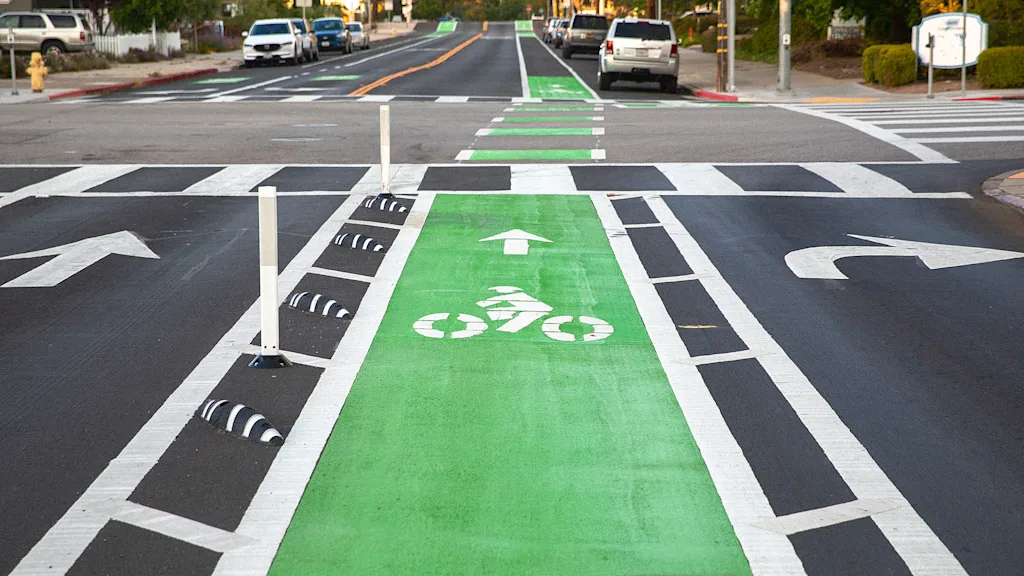
"There's a better way, and it doesn't require tearing up a single road. Road diets repurpose space that already exists. By narrowing or reducing car lanes on overly wide streets, cities can carve out protected bike lanes, pedestrian refuges, and calmer traffic conditions-without major reconstruction."
"But here's the real choice cities face: Act now with quick-build methods to establish a safe network across dozens or even hundreds of blocks, or wait decades for funding to deliver premium concrete infrastructure on just a handful of blocks. This isn't an argument against quality. Bike lanes protected by concrete or landscaped islands are excellent."
"Road diets deliver measurable improvements beyond bike lanes. Federal Highway Administration and U.S. Department of Transportation data and studies show they benefit drivers, pedestrians, and the overall street environment: Overall safety benefits. Road diets reduce total crashes by 19% to 47% on average when converting a four-lane undivided road to a three-lane configuration with a center turn lane."
Local leaders often delay street safety improvements while waiting for large funding, full reconstruction, or a perfect permanent solution, even as severe crashes continue. Road diets provide a faster alternative by reorganizing space on overly wide streets, typically by narrowing or reducing car lanes to create protected bike lanes, pedestrian refuges, and calmer traffic conditions without tearing up roads. Cities face a choice between acting now with quick-build methods to create a safe network across many blocks, or waiting decades for premium infrastructure on limited segments. Coverage matters because safe biking requires connectivity beyond a single street. Road diets reorganize lane layouts to add protected bike space and can improve safety for drivers and pedestrians, with reported reductions in total crashes when converting certain four-lane roads to three-lane configurations.
Read at Fast Company
Unable to calculate read time
Collection
[
|
...
]