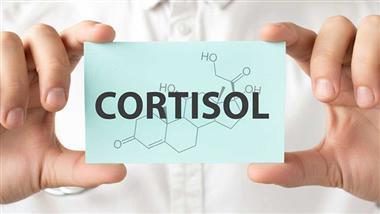
"Cortisol, the body's main stress hormone, plays a central role in this process. When it stays high for too long, it drains your metabolic reserves and interferes with memory formation. Meanwhile, a second hormone called DHEA-S acts as cortisol's natural counterbalance, helping protect neurons and stabilize brain function."
"When the ratio between these two hormones tilts toward cortisol, your brain loses its resilience and becomes more vulnerable to aging and degeneration. This hormonal tug-of-war - shaped by stress, diet, and metabolism - has drawn new attention from researchers exploring why some people develop Alzheimer's while others do not."
"The latest findings suggest that long-term hormonal imbalance, not just genetics or plaque buildup, could be one of the earliest warning signs of decline. Understanding this relationship changes how you think about prevention."
Alzheimer's disease originates from chronic stress-induced hormonal imbalance rather than sudden neuronal death. Cortisol, the primary stress hormone, accumulates over time and damages metabolic reserves while interfering with memory formation. DHEA-S, a neurosteroid, naturally counterbalances cortisol and protects neurons. When cortisol levels remain elevated relative to DHEA-S, the brain loses resilience and becomes vulnerable to degeneration. A clinical study of 85 Serbian adults compared cortisol and DHEA-S ratios between Alzheimer's patients and healthy controls. This hormonal imbalance, influenced by stress, diet, and metabolism, may represent an earlier warning sign than genetic factors or amyloid plaque buildup. Prevention strategies focus on metabolic strengthening, hormonal restoration, and chronic stress reduction to support brain healing before symptoms manifest.
#alzheimers-disease-prevention #stress-hormones-and-brain-health #cortisol-and-dhea-s-balance #neurological-aging #metabolic-health
Read at Natural Health News
Unable to calculate read time
Collection
[
|
...
]