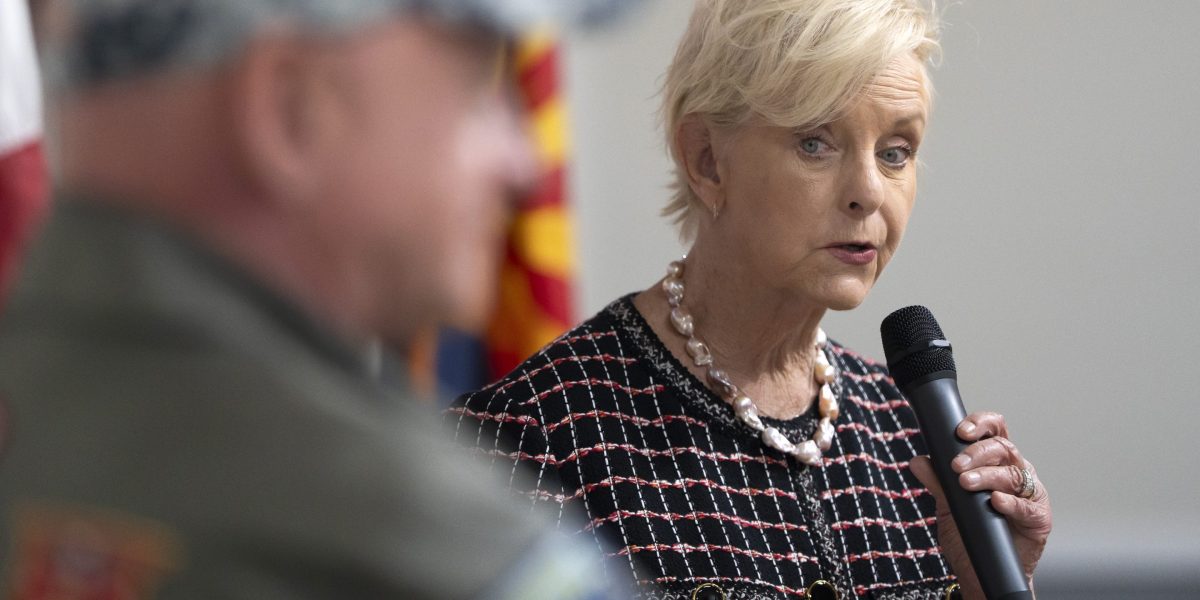
"“You can either feed them now or fight them later. People are migrating because of food, which means they're not going to be there to work. The impacts that food-related systems have to the struggling world are exponential, from keeping a child in school to changing communities and livelihoods. WFP also helps the American farmer. We buy a large portion of our food from the U.S. farmer. I try to explain what I call WPF 101 to a lot of our private-sector guys to make sure they understand the impact; that this isn't just that we're great humanitarians. The impact goes beyond food.”"
"“When I came to WFP, it was very clear to me that we would have to slim down because the money was not going to be the same. We had grown too fat. We're too big. We need to streamline. I worry about the American taxpayer all the time. Taking food from the hungry to give to the starving because we don't have enough money: those things weigh on me a great deal.”"
A global food crisis is affecting businesses and raising food prices while creating a major human toll. Acute hunger risk is projected to reach 363 million people this year, up from 266 million the prior year and double a decade earlier. Food insecurity is linked to migration, reduced workforce availability, and cascading effects on education, communities, and livelihoods. Aid organizations also support domestic agriculture by purchasing significant portions of food from U.S. farmers. Budget reductions require slimming down operations and prioritizing resources to deliver food to those in need. Concerns focus on the burden on taxpayers and the consequences of insufficient funding for humanitarian delivery.
Read at Fortune
Unable to calculate read time
Collection
[
|
...
]