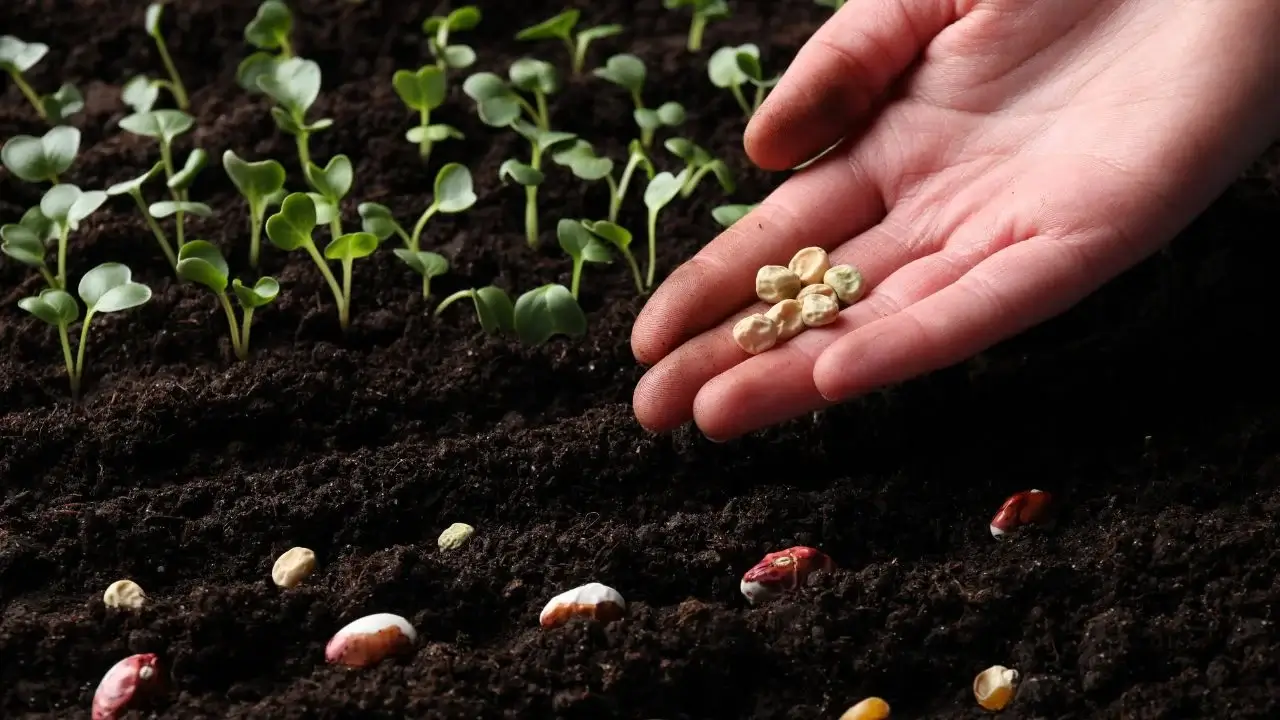
"Succession sowing is a practice that farmers and small gardeners both can appreciate. The result is multiple harvests over the entire season. This gives growers the option to split the yields, with part as a food source and part as revenue."
"The key to planting successions effectively is time. Farmers are already clued in to the timings of their seasons and how much time it takes to grow a crop. By combining this knowledge and planting within these bounds, the best yields are possible. Another important consideration is space and placement, with attention paid to what the soil needs, as well as which crops are best planted together."
"For those new to this method, it helps to have a basic understanding and structure to follow. Once it's implemented successfully, there's no doubt it will be a tried and true practice for every growing season to come. Farmers can start with quick-maturing crops to get a handle on the routine, adding complexity as the years go on."
"The basis of everything is timing. Farmers should get a good handle on when to sow certain crops, and compare that to how long the season for that crop lasts. Then, they should time their sowings to match the limits of their season and the crop in question, noting that successions should stop within the temperature limits and days to maturity."
Succession sowing enables multiple harvests across a growing season by planting in a planned sequence. Growers can divide harvests between personal food use and market sales. Effective succession sowing depends on timing, using knowledge of local season schedules and crop growth durations to plant within temperature limits and days to maturity. Space and placement also matter, including meeting soil needs and pairing compatible crops. New growers can begin with quick-maturing crops to build routine and gradually add complexity. Methods include sowing the same crop at intervals, sowing different crops in the same space, and intercropping, including multiple varieties of the same vegetable. Low days-to-maturity crops such as radishes, beets, lettuces, and beans are suitable for interval planting, especially for temperature-sensitive crops.
Read at Modern Farmer
Unable to calculate read time
Collection
[
|
...
]