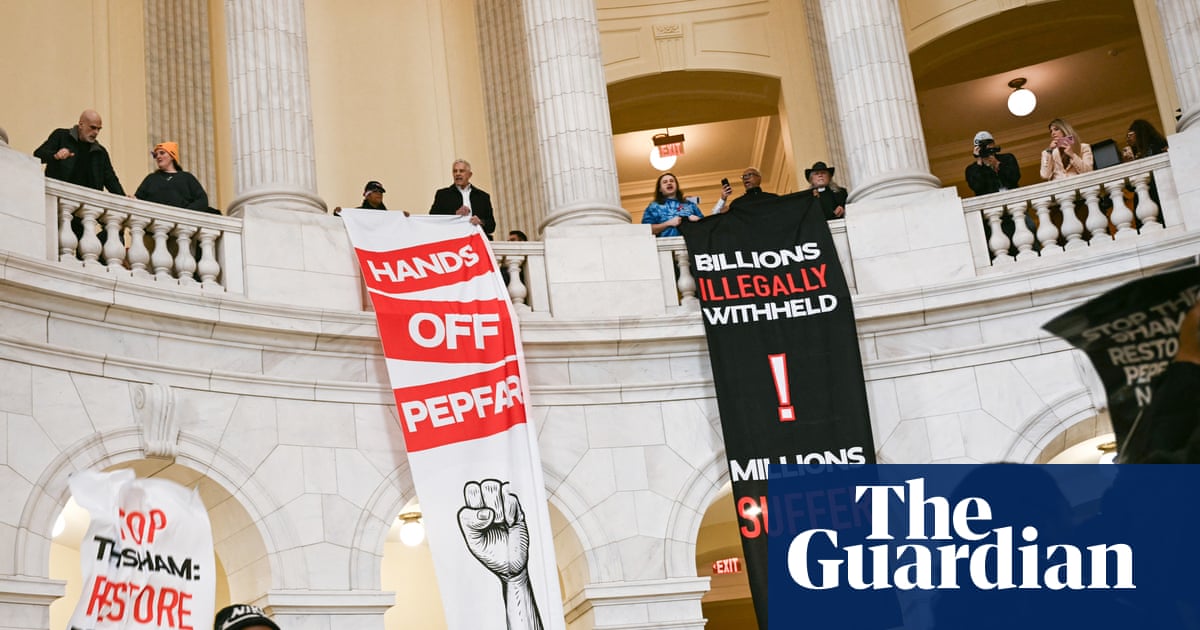
Seventy-four percent of likely US midterm voters support funding PEPFAR, and voters are more likely to back candidates who support it. Eighty percent of voters say there is a moral argument for supporting lifesaving treatment for people at risk for or living with HIV/AIDS, regardless of personal choices. PEPFAR is viewed positively when pursued by either major party, reflecting bipartisan popularity. Recent actions shift PEPFAR funding away from broader HIV prevention and treatment focus toward country agreements with less emphasis on HIV. The State Department will keep nearly all intended PEPFAR funding, while the CDC would receive only 7% of funds, far less than potential levels. This change parallels the dissolution of USAID and its absorption into the State Department.
"About three in four (74%) of likely voters in the US midterm elections say they support funding the US President's Emergency Plan for AIDS Relief (Pepfar), with voters more likely to back candidates who support Pepfar, according to a recent poll. Four in five (80%) of the voters said there is a moral argument for supporting lifesaving treatment for people at risk for or living with HIV/Aids, regardless of their personal choices."
"Among voters, it's going to be seen positively if Republicans or Democrats pursue Pepfar, said Jennifer Kates, senior vice-president and director of the global and public health policy program at KFF, a health non-profit. These results align with other surveys showing the bipartisan popularity of the program, and a growing sense that the Trump administration is abdicating its international leadership even as outbreaks spiral out of control."
"First created by George W Bush in 2003, Pepfar has long enjoyed Republican leadership and bipartisan support. In recent months, Congress has repeatedly moved to preserve the program, but it is now essentially being replaced with individual agreements with countries that include but aren't heavily focused on HIV prevention and treatment."
"According to a 5 May announcement, the state department will keep nearly all of the funding intended for Pepfar, instead of splitting it with the US Centers for Disease Control and Prevention. The CDC would only receive 7% of the funds $150m, instead of a potential $2bn. It mirrors the dissolution of the US Agency for International Development (USAID) and its absorption into the state department last year."
Read at www.theguardian.com
Unable to calculate read time
Collection
[
|
...
]