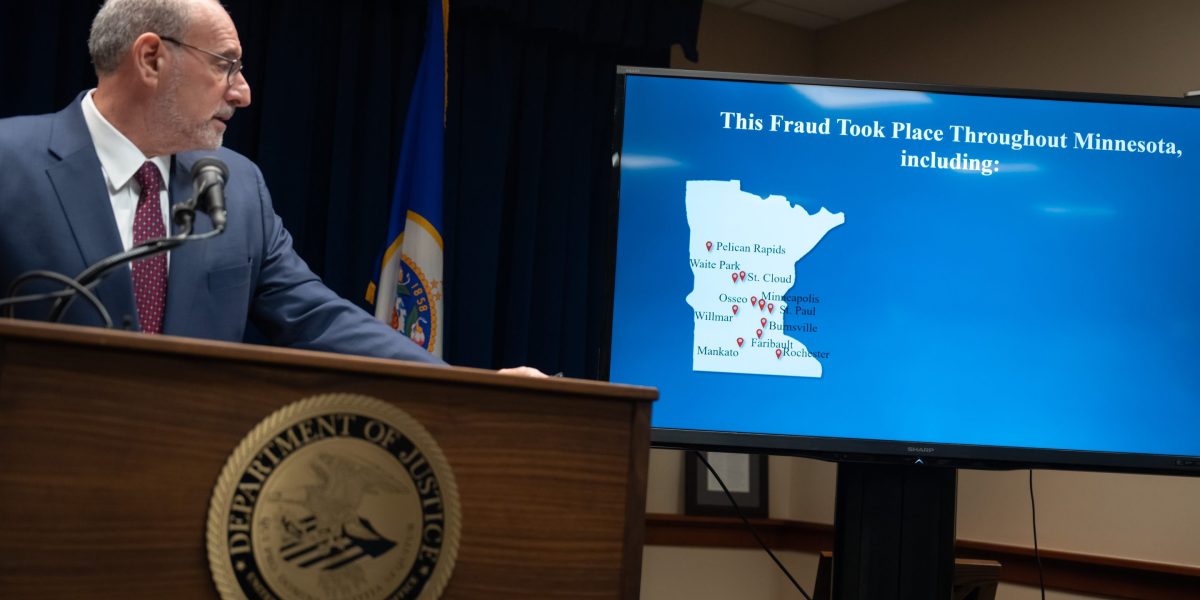
There is no clear data on how common nonprofit fraud is or how prevalent it is compared with corporate fraud or fraud by government employees. An estimate from the Association of Certified Fraud Examiners indicates that companies and nonprofits lose about 5% of annual revenue to fraud. A typical reported nonprofit fraud incident results in losses around $76,000, which is just over half the average cost of $145,000 across all fraud cases. Nonprofits are less likely to receive fraud-risk training than other sectors, with only 52% of nonprofit staff reporting any fraud awareness training compared with 83% at publicly traded companies. Charities must obtain IRS tax-exempt status and file annual Form 990, reporting significant diversion of assets detected since the prior filing. Diversion of assets reduces funds available for the nonprofit’s mission. The FBI uses a broader definition of nonprofit fraud and prosecutes alleged offenders, including external fraud schemes.
"Despite Bessent's suggestion, there is no clear data about how common nonprofit fraud is or how prevalent it is compared to corporate fraud or acts of fraud by people employed by government agencies. The Association of Certified Fraud Examiners estimates that companies and nonprofits lose approximately 5% of their annual revenue to fraud, according to a 2024 report. The report found a typical loss from a reported nonprofit fraud incident is around $76,000. That's just over half the average cost of $145,000 for all fraud cases, which also include incidents affecting private companies and government agencies."
"The Association of Certified Fraud Examiners also has found that nonprofits are less likely to be trained than their peers in other sectors to identify evidence of fraud risks. That can make their staff and leaders less prepared to spot and deal with fraud compared to private businesses and government agencies. Only 52% of nonprofit staff members report receiving any training on fraud awareness and risk, versus 83% for the employees of publicly traded companies."
"Once charities, which must have a purpose the government accepts, such as education, religion, science or helping those in need, are established, they ask the IRS to grant them tax-exempt status. All U.S. charities, except for churches, must then file mandatory annual 990 forms with the IRS to maintain their tax-exempt status. One of their responsibilities when they complete those forms is to report what the IRS calls any " significant diversion of assets " detected since filing the previous form. Diversion of assets means that money has been taken from a nonprofit, decreasing the funds available for it to fulfill its mission."
"The FBI has a more expansive definition of nonprofit fraud, which also includes the external kind. And it prosecutes people accused of committing them. The most common kind of external nonprofit fraud is when people create o"
Read at Fortune
Unable to calculate read time
Collection
[
|
...
]