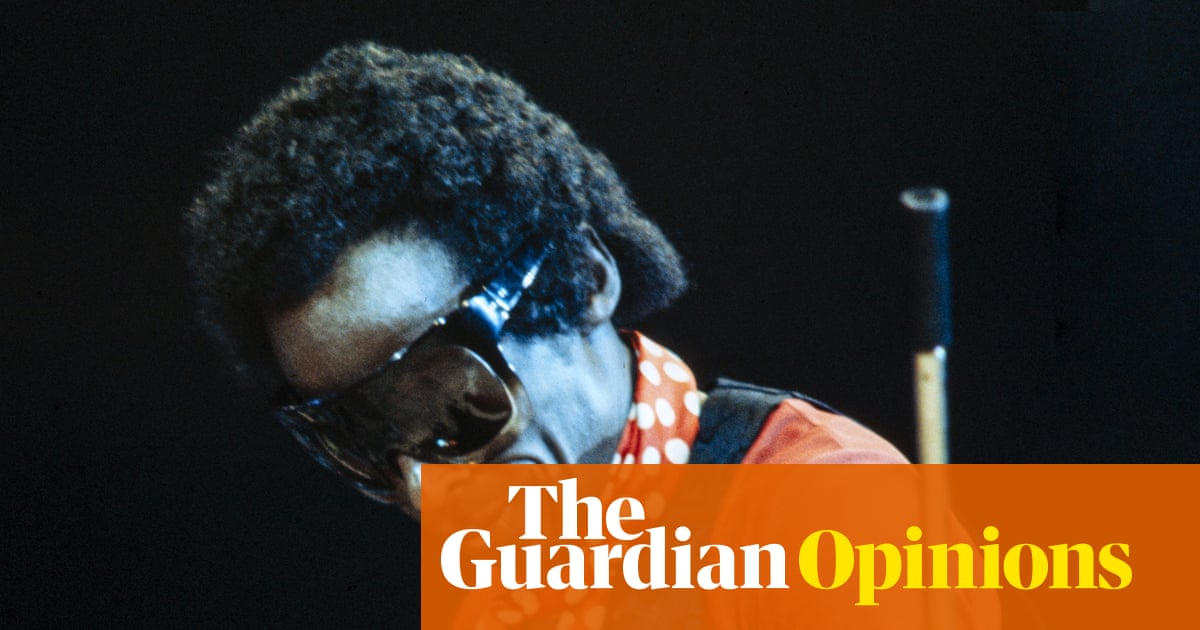
Miles Davis is remembered for refusing to let jazz remain still, continually dismantling and rebuilding the sound he helped invent. He embraced the electric age in 1968 and absorbed funk, rock, African rhythms, and electronica to emerge altered again. He moved to New York at 18 after hearing Dizzy Gillespie and Charlie Parker, favoring restraint and precision over bebop’s speed and helping spearhead cool jazz. He disliked being pigeonholed and hated the word jazz, believing innovation was how tradition survived. Key reinventions included the Birth of the Cool sessions in 1949 and the modal masterpiece Kind of Blue. His marriage to Frances Taylor helped shift him from a heroin-ravaged sideman to a figure of elegance and control, though the reinvention later unraveled amid violence and addiction. Bitches Brew in 1970 broke convention with a 26-minute improvised title track.
"The space reserved for Miles Davis in the pantheon of 20th-century music is not simply because he mastered jazz, but because he refused to let it stand still. As musicians and fans mark the centenary of his birth, Davis's work still feels limitless. “I always thought that music had no boundaries,” he wrote in his 1989 autobiography, “no limits to where it could grow and go, no restrictions on creativity.”"
"Davis repeatedly dismantled the sound he had helped invent—embracing the electric age in 1968, much as Bob Dylan had in folk. Davis moved to New York as an 18-year-old after hearing Dizzy Gillespie and Charlie Parker. While bebop prized speed, Davis preferred restraint and precision, spearheading cool jazz. By 1988, now the grand old man of jazz, he was playing trumpet with Prince, whom he remarked could be the new Duke Ellington of our time if he just keeps at it."
"Such was his refusal to be pigeonholed, he hated the word jazz. Whatever it was, Davis reasoned, had to evolve: absorbing funk, rock, African rhythms and electronica to emerge altered again. Davis believed innovation was how tradition survived. In 1949, with the Birth of the Cool sessions, he filtered bebop through a softer lens; a decade later came the modal masterpiece Kind of Blue, which the Guardian's jazz critic rated as Davis's greatest work."
"Part of that rebirth owed much to his marriage to the dancer Frances Taylor. She helped transform Davis from a heroin-ravaged sideman, overshadowed commercially by the photogenic Chet Baker, into a figure of elegance and control. Yet the reinvention didn't last. Taylor eventually left, worn down by Davis's violence and addiction. His second great quintet with the saxophonist Wayne Shorter and the pianist Herbie Hancock saw out the 1960s. Then came the breathtaking In a Silent Way before the swirling avant garde Bitches Brew blew apart musical convention with its 26-minute improvised title track."
Read at www.theguardian.com
Unable to calculate read time
Collection
[
|
...
]