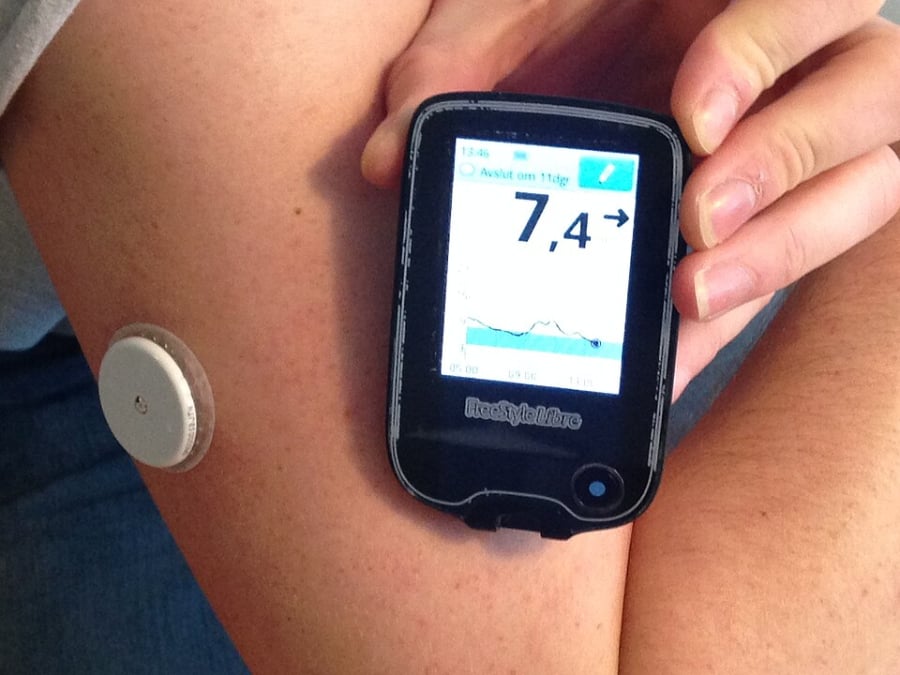
Continuous glucose monitors, originally designed for diabetes management, are increasingly used by people without diabetes. Athletes, fitness enthusiasts, and health-conscious consumers use CGMs to observe how meals, sleep, stress, and exercise affect metabolism in real time. Glucose monitoring is shifting from disease management to a broader wearable data ecosystem supported by artificial intelligence, predictive analytics, and personalized health coaching. The market is described as an ecosystem spanning subcutaneous CGM, non-invasive optical sensing, sweat and tear biofluid platforms, and AI-driven predictive analytics. Interest is driven by preventive health goals, since prediabetes can develop silently before diagnosis. Minute-by-minute glucose readings may help identify metabolic problems earlier than traditional annual blood tests.
"Continuous glucose monitors, better known as CGMs, were created to help people with diabetes track blood sugar levels throughout the day. But the technology is rapidly moving beyond hospitals and endocrinology clinics into the broader wellness market. Today, wearable glucose-tracking devices are being used by people without diabetes. Athletes, fitness enthusiasts, and health-conscious consumers are increasingly using CGMs to monitor in real time how meals, sleep, stress, and exercise affect their metabolism."
"The shift is transforming glucose monitoring from a disease-management tool into a wider wearable data ecosystem powered by artificial intelligence, predictive analytics, and personalized health coaching. Research firm PatSnap describes the market as a "four-cluster ecosystem spanning subcutaneous CGM, non-invasive optical sensing, sweat and tear biofluid platforms, and AI-driven predictive analytics." That evolution is accelerating quickly."
"According to PatSnap, the industry has moved through three major phases since the 1990s: early glucometer hardware, clinically validated CGMs, and now AI-driven health infrastructure built around wearable data. The growing interest in glucose monitoring is tied to a broader push toward preventive health. Prediabetes often develops quietly over the years before a person receives a formal diagnosis."
"Researchers and startups now believe wearable glucose tracking could help identify metabolic problems earlier than traditional annual blood tests. CGMs continuously measure glucose levels in the fluid beneath the skin, providing minute-by-minute readings rather than a single lab snapshot. Supporters argue that this real-time fee"
#wearable-health-technology #continuous-glucose-monitoring-cgm #ai-predictive-analytics #preventive-health #metabolic-wellness
Read at TechRepublic
Unable to calculate read time
Collection
[
|
...
]