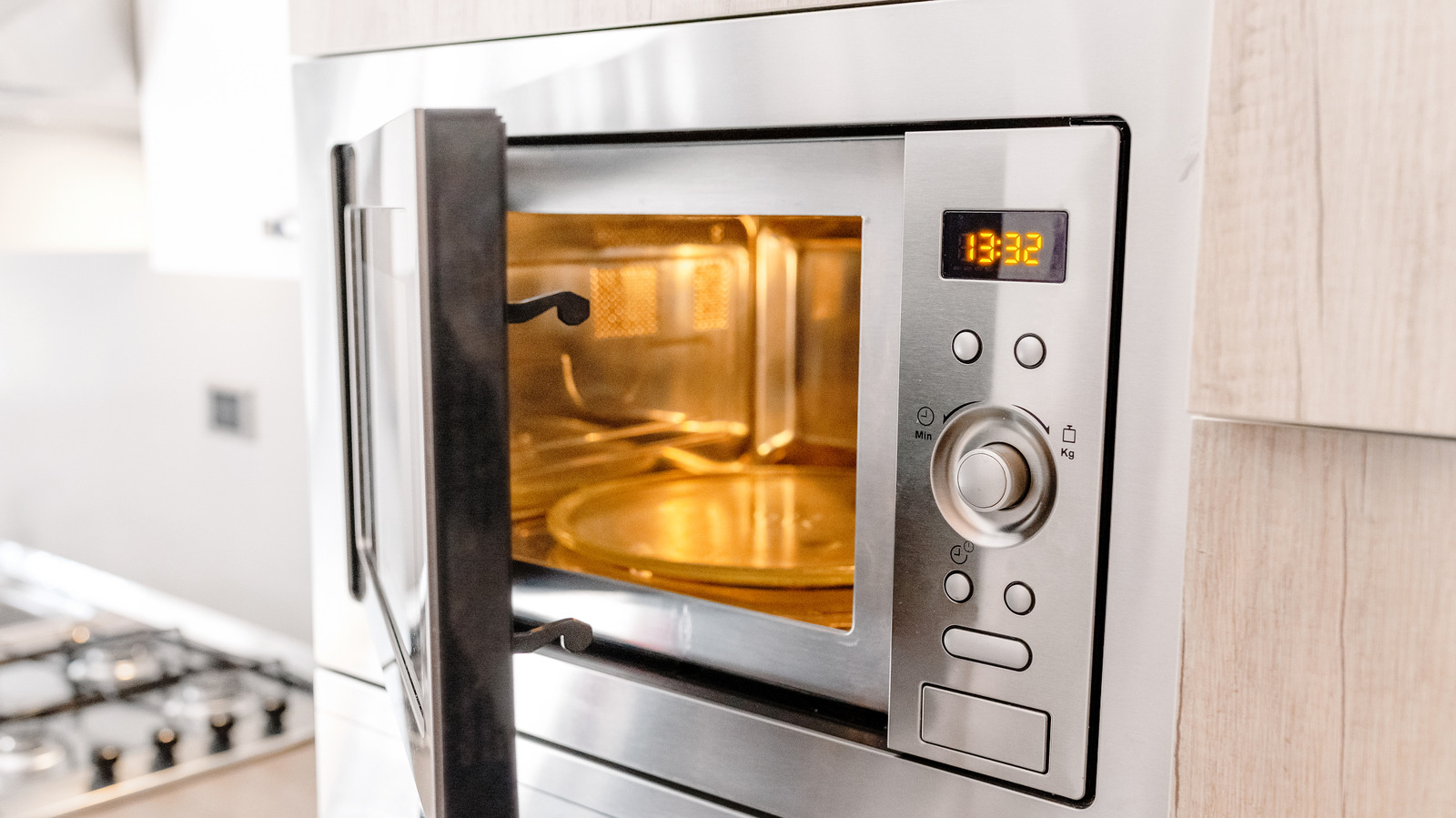
Microwaves can heat many foods, but fried foods are best reheated elsewhere. Microwaves heat water rather than air, penetrating food and exciting water molecules to generate heat from within. The microwave cavity stays near room temperature, so moisture does not evaporate effectively. Steam condenses and accumulates near the food’s surface, leaving fried items soggy. Crisping requires dehydrating the surface by removing water. Frying at about 350–375°F evaporates surface water quickly and creates a crisp texture. Microwaving instead drives internal evaporation outward, increasing moisture at the surface and undermining crispness.
"“Microwaves heat water, not air,” she says. Instead of using hot air to cook food from the outside, microwaves penetrate the food directly, exciting water molecules and generating heat from within the food. Additionally, because the inside of a microwave stays at room temperature, it prevents the moisture from evaporating. Instead, the steam condenses and accumulates near the food's surface."
"“Crisping requires dehydrating i.e., removing water from the surface, and microwaves do the opposite,” Dr. Shelke explains. Frying food in oil between 350-375 degrees Fahrenheit immediately evaporates surface water, creating that crisp texture, according to Dr. Shelke. Microwaves, however, excite internal water molecules, generating heat from within. This creates a rapid internal evaporation and pushes water vapor outward."
Read at Tasting Table
Unable to calculate read time
Collection
[
|
...
]