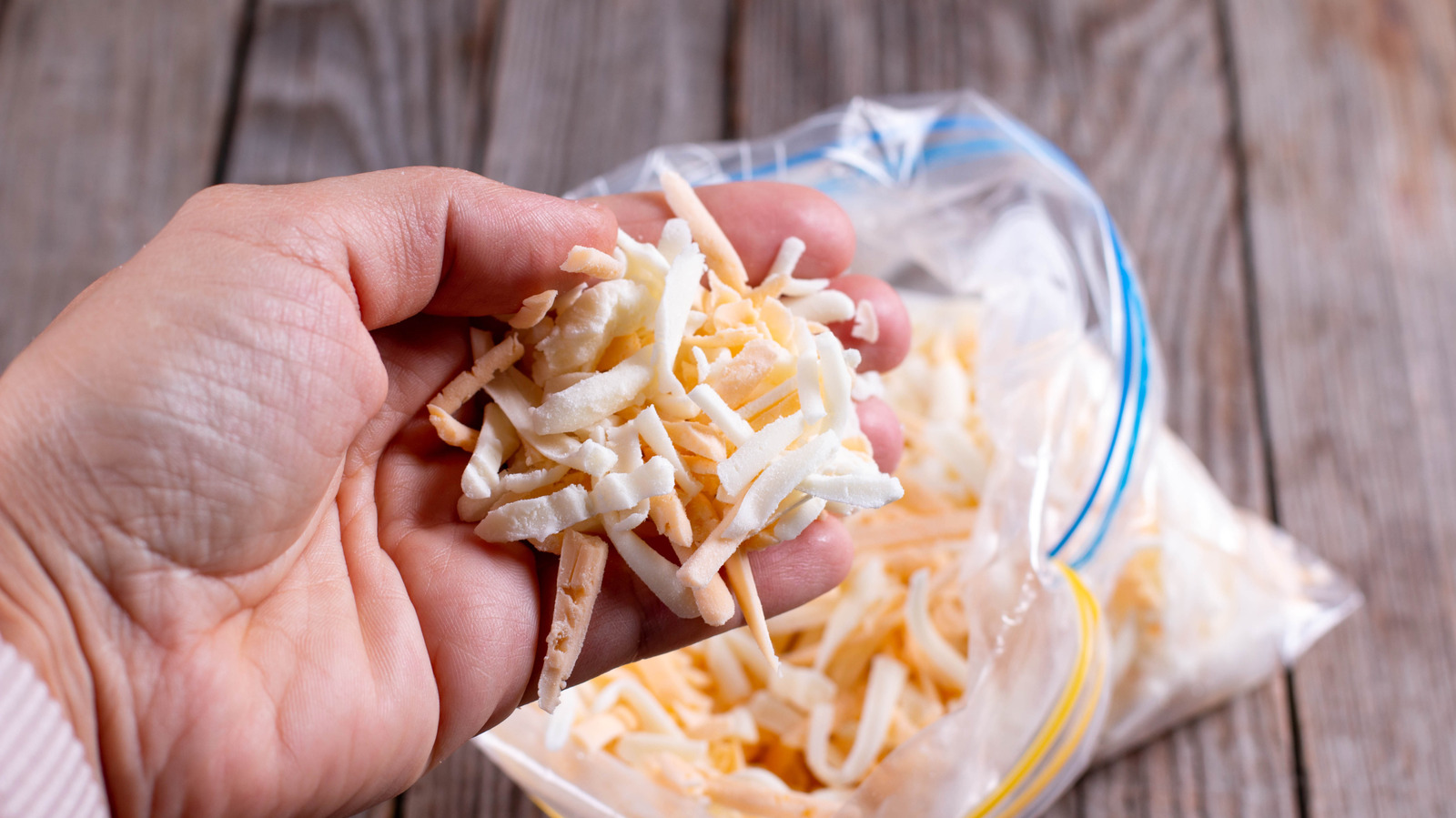
Pre-packaged shredded cheese is convenient for many dishes and often has a dusty coating. That dust comes from cellulose, a plant-derived organic molecule found in shredded cheese primarily as an anti-caking agent. Cellulose comes from plant cell walls and can be sourced from materials such as wood and cotton. Extracted cellulose appears on ingredient lists and is used in many processed foods, including cereal, salad dressings, frozen pizza, and coffee creamer. It can function as a thickener, anti-caking agent, fiber supplement, and calorie reducer. Cellulose in shredded cheese is not wood pulp itself, and it is considered safe to consume, with potential benefits from added fiber.
"Shredded cheese contains cellulose, which is why your hands might feel a tad bit dusty after reaching into the bag. Cellulose is an organic molecule that comes from the walls of plant cells. It's a plant fiber, and you can obtain it from a variety of sources, including wood and cotton. Extracted cellulose is what you'll find in on ingredients lists and it's frequently used in processed foods like breakfast cereal, bottled salad dressings, frozen pizza, and even coffee creamer."
"In shredded cheese, cellulose is primarily present as an anti-caking agent so you don't need to worry about your cheese clumping up by the time you return home from the grocery store. Some folks may claim that consuming cellulose means you're consuming wood pulp, but this isn't the case. The cellulose you're consuming in shredded cheese is often extracted from wood pulp, but it isn't wood pulp itself, and it's completely safe to consume."
"This means that there's no need for you to start washing your shredded cheese to get rid of it. In fact, consuming a bit of extra cellulose is actually good for you, especially if you're looking to add more fiber into your diet."
Read at Tasting Table
Unable to calculate read time
Collection
[
|
...
]