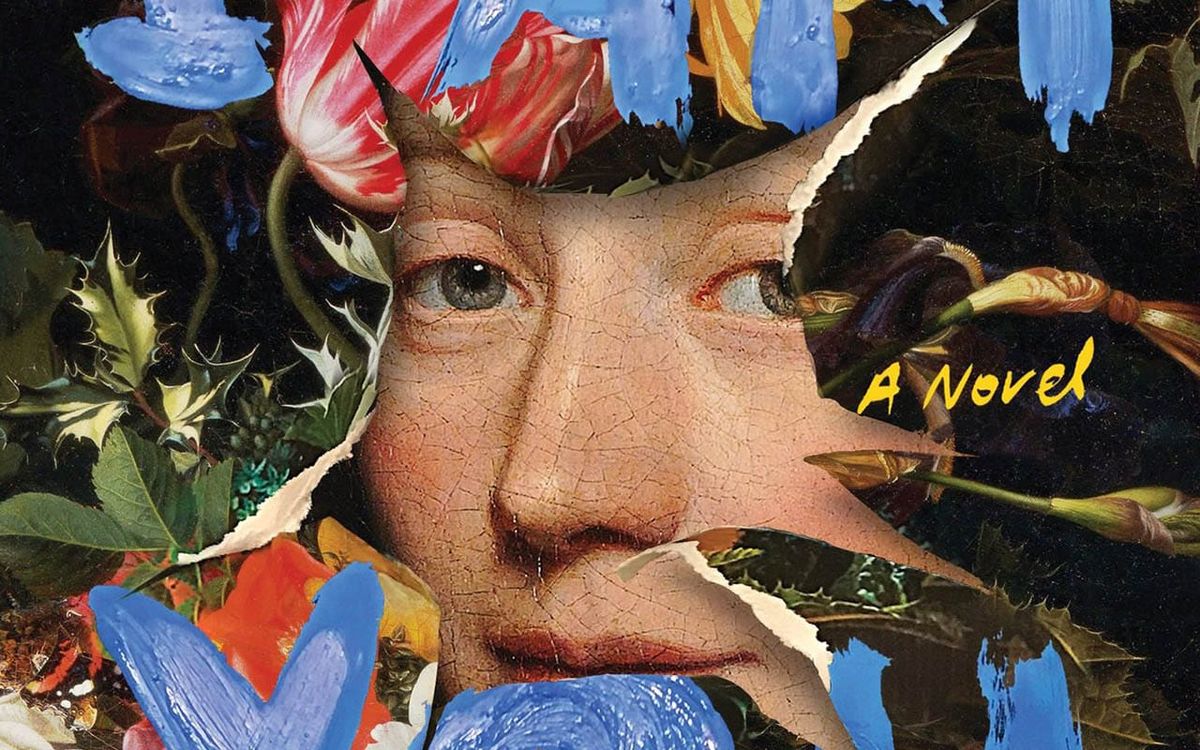
Bookstore shelves increasingly feature painted, figurative covers that resemble group exhibitions, with saturated colors, tight cropping, and recognizable figures. These covers foreground material marks made by artists rather than stock photos or digital renderings. The shift from abstraction toward gestural figuration reflects a broader desire for embodiment and physical presence, serving as proof of the artist’s hand and subjectivity in an internet-driven era. Painting and the novel both imply time, requiring sustained attention to create and to read. This emphasis can undermine profit-driven forces in art and publishing. Taste also plays a role, as painted covers can signal cultural capital and align books with art-historical lineages rather than algorithmic feeds.
"Walk into any bookstore in the United States lately, and the shelves and new-release tables resemble group exhibitions. Reproductions of oil and acrylic paintings, many immediately recognizable, fill the covers. Their colors are saturated, often primary. Figures abound, with inscrutable expressions and intimate gestures emphasized by tight cropping. Rather than stock photos or digital renderings, the covers foreground material marks made by artists ranging from early modernists like Hilma af Klint to contemporary realists like Nashville-based Shannon Cartier Lucy. In a market flooded with design templates and AI-generated imagery, the painted cover stands out as distinctly human."
"The recent shift from color fields and geometric abstraction to gestural figuration on book covers may reflect a broader craving for embodiment and physical presence - proof, in other words, of the artist's hand and subjectivity in the era of the internet. Just as painting implies time, so does the novel, demanding sustained attention to both write and to read. It's a tension that undermines the forces driving creation and consumption in the service of ever-increasing profit margins, both in the art market and the publishing industry."
"To carry a novel framed by af Klint, the 20th-century mystic whose Guggenheim Museum retrospective remains the institution's most visited, or by an emergent painter circulating the Tribeca gallery scene is to signal intellectual rigor, cultural capital, rarefied sensibilities, and a sense of irony. On the shelf, the painted cover seemingly aligns the book with an art-historical lineage rather than the curation of an algorithmic feed."
#book-cover-design #figuration-and-painting #digital-vs-physical-presence #art-market-and-publishing #cultural-capital
Read at Hyperallergic
Unable to calculate read time
Collection
[
|
...
]